
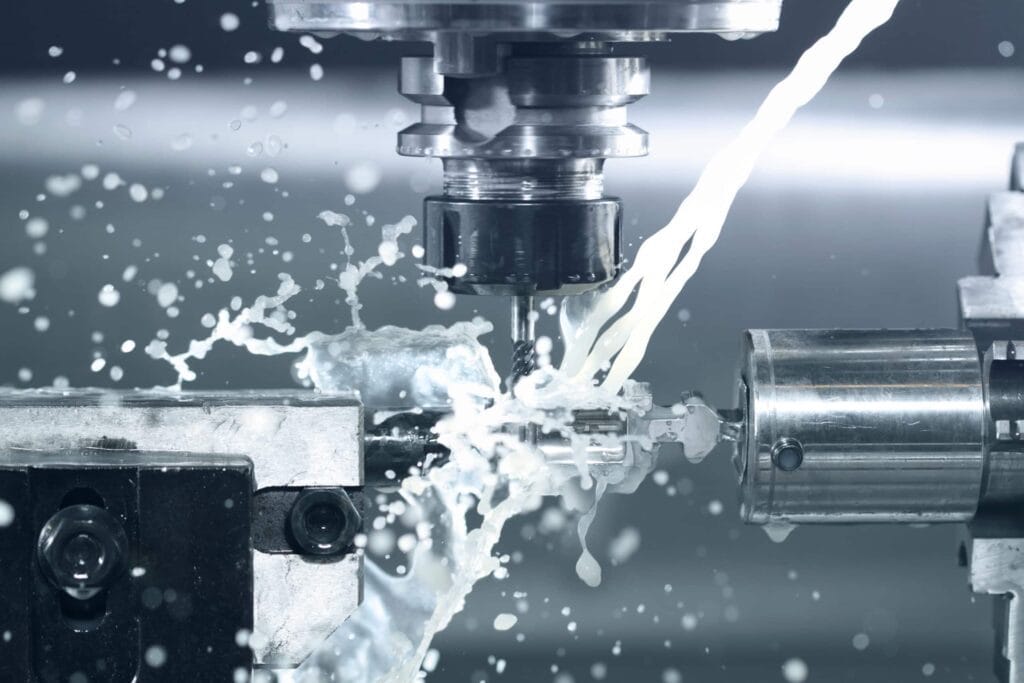
Swiss CNC machining gets its name due to its close association with Switzerland. For a long time, this type of machine has been regarded as specifically designed for Swiss watchmakers. Its versatility allows it to efficiently produce small, complex parts, which is why it is widely used around the world.
Today, let’s dive deep into this fascinating manufacturing technology that’s been setting industry standards for precision and quality.
What Is Swiss Machining?
Swiss machining represents a specialized type of turning process that originated in 19th century Switzerland for the watch industry. Unlike conventional turning, where the workpiece is held rigidly in a chuck, Swiss machining employs a unique guide bushing principle that supports the material close to the cutting point.
The key characteristics of Swiss CNC machining include a guide bushing support system, a sliding headstock design, and multiple tool positions. It features synchronized main and sub-spindles, allowing for simultaneous operations, which enhances efficiency and precision in producing small, complex parts.
Swiss Machining Process

It’s a fascinating sequence of operations that begins with feeding bar stock into the machine. The rotating spindle removes material while the guide bushing keeps the workpiece secure, allowing for precise machining. This process can integrate various operations, such as turning and milling, all within a single setup. Let’s break down these steps to understand how efficiency is maximized.
The first step in the Swiss machining process is material loading, where bar stock is fed through the main spindle into the machining equipment. This setup allows for continuous feeding of material, significantly enhancing processing efficiency. Before entering the cutting zone, the guide bushing provides essential support nearby, ensuring stability during machining and reducing the risk of vibration and displacement. To further improve precision, the material is held under slight tension, effectively preventing deformation during cutting and ensuring that the final product meets stringent dimensional and shape tolerances.
Once the material is loaded, cutting operations commence. During this phase, tools engage the workpiece near the guide bushing, allowing for precise machining of complex shapes. One of the key advantages of Swiss machining is the ability to utilize multiple tools simultaneously, which not only improves processing efficiency but also reduces the time required for individual part production. The process accommodates both turning and milling operations, making it suitable for a variety of applications, including the manufacture of precision components and intricate assemblies. By synchronizing the movements of the main and sub-spindles, the machining process becomes smoother, enhancing production stability and consistency.
After all machining operations are complete, the completed sections are caught by the sub-spindle, ensuring that the parts remain stable and secure during transfer. Subsequently, operators can perform secondary operations as needed, such as deburring, polishing, or other surface treatments to enhance product quality and appearance. Finally, the processed finished parts are cut off and collected, ready for further assembly or inspection. This series of processes highlights the efficiency and precision of Swiss machining, making it an ideal choice for producing small, complex components across various industries, especially in aerospace, medical devices, and high-end manufacturing.
What Are The Advantages Of Swiss Machining?
What benefits does Swiss machining offer? If you’re in manufacturing, understanding these advantages can help you optimize your processes. From exceptional precision to reduced cycle times, Swiss machining provides significant enhancements in productivity.
Precision Benefits
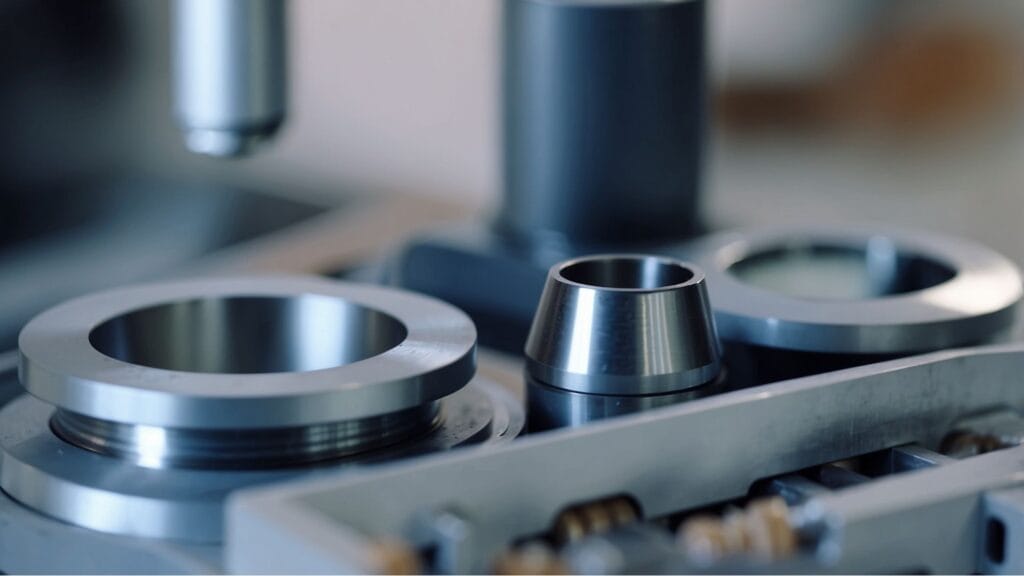
Swiss machining is renowned for its exceptional precision. With tolerances as tight as ±0.0001 inches, it meets the stringent demands of industries that require high accuracy. This precision translates into a superior surface finish, enhancing the aesthetic and functional quality of components. Minimal tool deflection during machining is another advantage, as it helps maintain consistent dimensions and shapes throughout production runs. As a result, manufacturers can rely on Swiss machining to deliver consistent quality, reducing the need for extensive post-processing or rework.
Production Benefits
The production benefits of Swiss machining are equally compelling. This method is capable of achieving high production speeds, which significantly reduces cycle times and increases overall throughput. One of the standout features of Swiss machining is its ability to perform multiple operations in a single setup. This integration minimizes the need for multiple machines or setups, streamlining the manufacturing process. As a result, manufacturers can achieve lower per-part costs, particularly in high-volume production scenarios. This efficiency not only meets tight deadlines but also enhances profitability without compromising quality.
Technical Benefits
From a technical standpoint, Swiss machining excels in creating complex geometries with outstanding concentricity. This capability allows manufacturers to produce intricate designs that may be challenging to achieve with other machining methods. Additionally, Swiss machining generates minimal material waste, optimizing the use of raw materials and further reducing production costs. The process is particularly effective for handling long, slender parts, providing the necessary stability and precision required for such components. These technical advantages make Swiss machining an ideal choice for producing sophisticated parts across various sectors, including aerospace, medical devices, and high-precision manufacturing.
What Are The Disadvantages Of Swiss Machining?
While Swiss machining has numerous advantages, it’s also important to be aware of its limitations. Understanding the disadvantages can help you assess whether this method is suitable for your needs.
One of the primary disadvantages of Swiss machining is the higher initial machine investment required for these specialized machines, which can be a barrier for smaller manufacturers or startups. Maintenance costs are also generally more expensive compared to conventional machining equipment, as Swiss machines often require specialized servicing. Additionally, the need for costly specialized tooling further increases operational expenses, and training costs for operators can be higher due to the advanced skills needed to operate these complex machines.
Swiss machining has its technical limitations, primarily in its restriction to producing parts with diameters under 1.25 inches, which can constrain projects that require larger components. There are also minimum diameter requirements that must be adhered to, limiting versatility. The complexity of programming Swiss machines poses additional challenges, as they often require specialized knowledge and experience to set up and operate effectively. This complexity can result in longer setup times for new parts, potentially hindering production efficiency.
Operationally, Swiss machining demands highly skilled operators who are proficient in the intricacies of the equipment, making staffing a challenge, especially in regions with a limited labor pool. Maintenance procedures are generally more complex and necessitate a higher level of technical expertise. The adjustment of the guide bushing is critical for ensuring precision, adding another layer of complexity to the operation. Lastly, material selection limitations exist, as not all materials are suitable for Swiss machining processes, which can restrict the range of projects that can be undertaken.
What Are The Functions Of Swiss Machine Tools?
These tools are designed for versatility and precision, making them ideal for a variety of applications. From turning and drilling to milling and threading, Swiss machine tools can handle multiple operations seamlessly.

Primary Functions
Swiss machine tools are known for their versatility and precision, offering a range of primary functions. They excel in precision turning, allowing for the accurate shaping of components. The multi-axis milling capability enables complex geometries to be produced efficiently. Additionally, these machines perform threading operations and deep hole drilling, making them suitable for a variety of applications. Polygon machining is another key function, facilitating the production of intricate shapes that are often required in specialized industries.
Advanced Capabilities
In addition to their primary functions, Swiss machine tools feature several advanced capabilities that enhance their performance. These include simultaneous 5-axis machining, which allows for the efficient production of complex parts with multiple surfaces. The machines also support back working operations, enabling additional machining processes on the opposite end of a part. Live tooling functions allow for turning and milling operations to be performed simultaneously, improving efficiency. Furthermore, high-speed machining capabilities enable faster production rates, while micro-machining allows for the creation of extremely small and precise components.
Automation Features
Swiss machine tools incorporate various automation features that enhance productivity and reduce manual intervention. Automatic tool changers facilitate quick transitions between different cutting tools, optimizing machining time. Bar feeders enable the continuous feeding of raw material, allowing for unattended operation during longer production runs. Parts collection systems streamline the handling of finished components, and in-process measurement ensures that parts meet quality standards throughout production. Additionally, quality monitoring systems help maintain high standards by providing real-time feedback on machining processes, further enhancing overall efficiency and accuracy.
What Is The Difference Between Swiss Machining And CNC Machining?
While Swiss machining is a type of CNC machining, there are some key differences between the two. Swiss machining is specifically designed for producing small, complex parts, while CNC machining can be used for a wider range of part sizes and complexities.
The support systems for materials differ significantly between Swiss machining and traditional CNC machining. In Swiss machining, a guide bushing support system is utilized, allowing for the material to be fed through the spindle. This setup provides continuous bar support, which is essential for maintaining precision during the machining of small, slender components. In contrast, traditional CNC machining employs a chuck or collet holding system, where the workpiece is fixed in place. This method offers limited length-to-diameter ratios, making it less suitable for longer, more slender parts.
The operational capabilities of these two machining methods cater to different needs. Swiss machining is optimal for producing small, precise parts and excels in handling long, slender components. It also achieves higher production rates, making it efficient for high-volume manufacturing. Conversely, traditional CNC machining is better suited for larger parts and offers more flexible part geometry. This flexibility allows for the production of a wider variety of shapes and sizes. Additionally, traditional CNC machines typically provide a simpler setup for one-off parts, making them ideal for prototyping or low-volume runs.
Practical Tips For Swiss CNC Machining
Implementing the right strategies can significantly improve your production outcomes. From selecting the appropriate materials to maintaining your machines, small adjustments can lead to substantial gains.
In Swiss precision machining, the guide bushing power source is crucial for ensuring machining accuracy. Using high-quality grinding or SMQ materials as round stock helps eliminate misalignment. Additionally, ensuring that the guide bushing meets strict tolerance requirements maintains stability and precision throughout the machining process. The superior performance of the sliding headstock allows for secure holding of raw materials while smoothly sliding along the guide rails. Keeping the fixed tool close to the raw material enables seamless cutting and reduces errors during machining, enhancing overall accuracy.
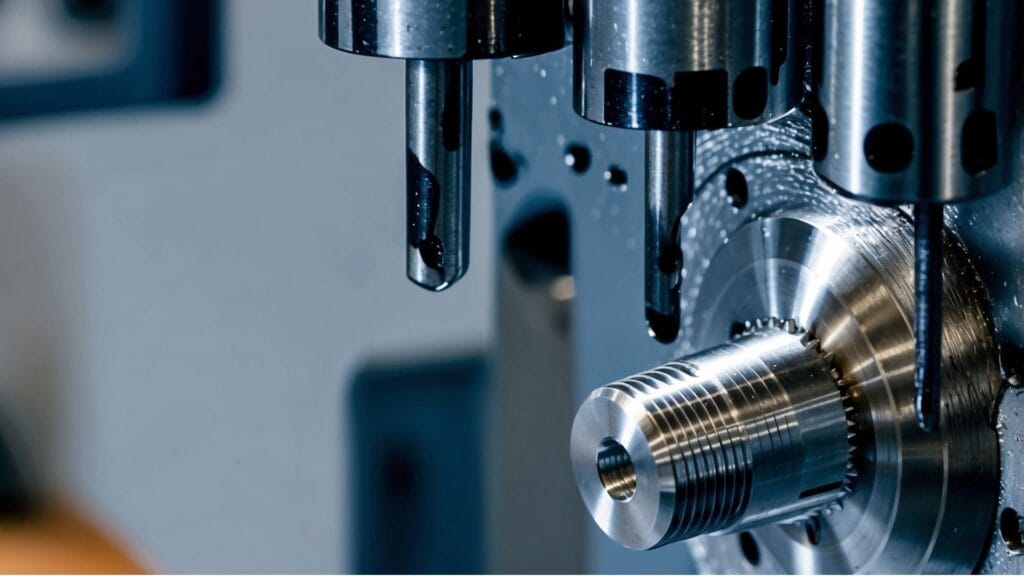
Swiss machining excels at precision cutting of long components with small diameters. Adhering to strict inventory quality standards is essential for achieving optimal results. Using high-quality raw materials ensures excellent surface finish and dimensional consistency in the machined parts. By optimizing machining setups, Swiss machining effectively reduces deflection, ensuring that long components maintain superior surface finish and consistent dimensions during processing. This level of precision control is especially important in industries with strict requirements.
Swiss lathes are designed to handle higher spindle speeds without generating vibrations, which not only shortens machining time but also achieves a flawless surface finish. Choosing the right cutting speeds and feed rates can further enhance machining efficiency and quality. Additionally, Swiss turning centers implement precision automation through automatic bar feeding, various tool options, and CAM programming to streamline the machining process. This automation minimizes manual intervention, improving accuracy and consistency. Ensuring operators receive relevant training allows them to fully utilize these automation features, further enhancing production efficiency.
Applications Of Swiss Machining
This technique has become a staple in industries that require high precision and efficiency. From medical devices to aerospace components, Swiss machining is ideal for producing intricate parts that meet strict specifications.
Swiss machining plays a critical role in the medical industry, where precision and reliability are paramount. It is used to manufacture surgical instruments that require exceptional accuracy and sharpness. Additionally, Swiss machining produces implant components that must meet stringent regulatory standards for safety and efficacy. The production of dental instruments and medical device components benefits from the precise machining capabilities, ensuring that tools and devices function effectively. Moreover, orthopedic screws manufactured through Swiss machining provide the strength and precision necessary for successful surgical outcomes.
In the electronics industry, Swiss machining is essential for creating small, intricate components. It is commonly used for fabricating connector pins and various electronic components that demand high precision. The technology also supports the production of precision sensors, which are critical for accurate measurements and data collection in electronic devices. Additionally, Swiss machining is utilized in the manufacturing of computer parts and components for mobile devices, ensuring that these products meet the demands of today’s fast-paced technological environment.
The aerospace and defense sectors rely heavily on Swiss machining for producing high-quality components. It is utilized in the creation of precision fasteners that must withstand extreme conditions and maintain structural integrity. Swiss machining also manufactures hydraulic components and parts for navigation systems, which require exceptional reliability and performance. Additionally, the technology is employed in the production of fuel system components and control mechanism parts, both of which are critical to the safe and efficient operation of aerospace vehicles.
In the automotive industry, Swiss machining is vital for the production of essential components. It is used to manufacture fuel injection components that enhance engine performance and efficiency. Additionally, Swiss machining produces brake system parts that require precise tolerances for safety and reliability. The technology is also employed in the fabrication of engine components and transmission parts, ensuring optimal functionality and durability. Lastly, sensor housings manufactured through Swiss machining provide protection and accuracy for various automotive sensors.
Conclusion
In summary, Swiss CNC machining emerges as a cutting-edge solution for manufacturers seeking precision and efficiency in producing complex parts. Its unique process, which combines innovative tooling and advanced technology, allows for the creation of intricate components with exceptional accuracy, making it ideal for industries such as aerospace, medical, and automotive. While the advantages of Swiss machining, including reduced cycle times and minimal material waste, significantly enhance productivity, it’s essential to acknowledge its limitations, such as higher initial costs and the need for skilled operators.
As technology continues to evolve, adopting Swiss CNC machining can provide a competitive edge in today’s demanding market. By leveraging its capabilities, businesses can optimize their manufacturing processes and meet the increasing demands for high-quality, precision-engineered components. Whether you’re considering implementing this technique or looking to refine your existing processes, Swiss machining offers a wealth of opportunities for innovation and growth.
Final Thoughts
As a professional with 15 years of CNC machining service experience, I can confidently say that Swiss CNC machining is a game-changer in the industry. Its precision and efficiency are unmatched, especially when producing intricate components for sectors like aerospace and medical devices. At Ultirapid, we’ve successfully implemented Swiss machining techniques in various projects, enhancing our production capabilities and reducing cycle times significantly. For instance, we recently optimized our processes for a medical device client, achieving tighter tolerances while maintaining high-quality standards. If you’re looking to leverage Swiss CNC machining for your projects, our team at Ultirapid is well-equipped to deliver tailored solutions that meet your specific needs.
Faqs
What Materials Are Suitable For Swiss Machining?
Swiss machining is suitable for various materials, including:
Metals:
- Aluminum: Lightweight and easy to machine.
- Stainless Steel: Corrosion-resistant and strong.
- Brass: Excellent machinability and surface finish.
- Carbon Steel: Good strength and hardness.
- Titanium: High strength-to-weight ratio.
Plastics:
- Delrin (Acetal): Low friction and excellent machinability.
- PTFE (Teflon): Chemical resistance and low friction.
Composites:
Carbon Fiber Reinforced Plastics: High strength and low weight.
What Is The Working Principle Of A Swiss Automatic Lathe?
The working principle of a Swiss automatic lathe involves feeding a long bar stock into a rotating spindle, where cutting tools are moved toward the workpiece by a sliding headstock. A guide bushing supports the workpiece to minimize deflection. Operating in an automated cycle, this machine efficiently performs various machining operations, making it ideal for high-precision components in industries like aerospace and medical.
What Does “Swiss Lathe” Mean In CNC Machining?
A “Swiss lathe” in CNC machining is a specialized automatic lathe designed for high-precision production of small, intricate parts. It features a sliding headstock, a guide bushing for stability, and the ability to perform multiple operations in one setup, making it ideal for industries like aerospace and medical.
Why Are Swiss Machines Called Swiss Screw Machines?
Swiss machines are called “Swiss screw machines” because they were initially developed in Switzerland for precise manufacturing of small, threaded components. The design features a sliding headstock and guide bushing, enabling tight tolerances and high-quality finishes, making them suitable for various high-precision parts beyond screws.


