
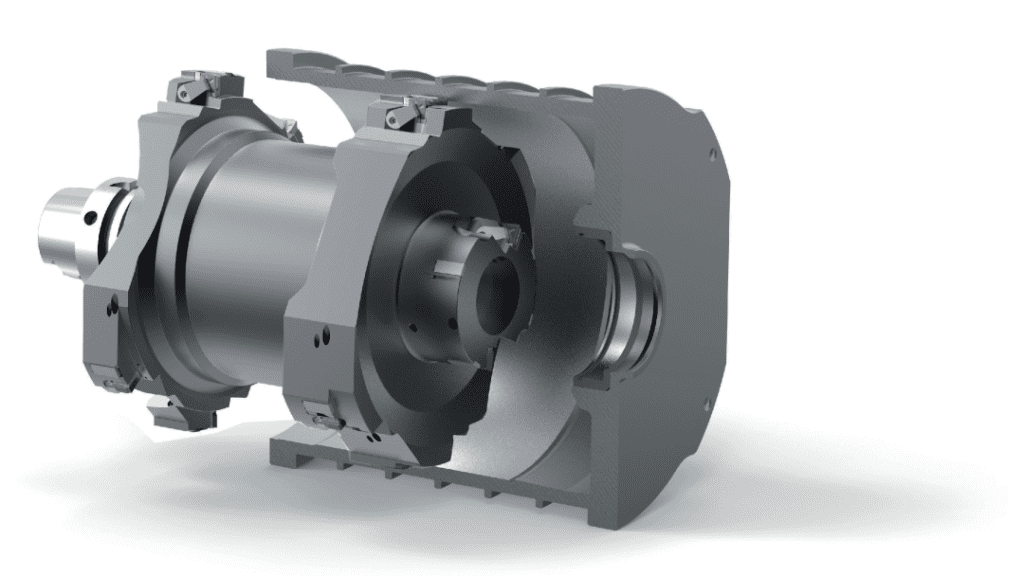
“The details are not the details; they make the design.” The very notion of precision and ingenuity meets diversity in application within custom-machined enclosures. More than merely serving as component housing, enclosures provide vital functions in protection, functionality, and aesthetics.
This article touches on their applications, machining techniques, and design essentials to prove how paying attention to the minute details yields solutions that excel in both performance and aesthetics.
What Custom Enclosures Use for?
Custom enclosures have become quite important in protecting sensitive electronic components, such as circuit boards, against environmental hazards like moisture, dust, and mechanical damage. Unlike standard-shelf enclosures, which are mass-produced, often without the specific dimensions or features required for specialized applications, custom enclosures are designed to meet exacting requirements. Such customization ensures that protection and functionality are optimized, making them quite viable for use across a number of industries, including industrial, medical, and consumer electronics.
With custom enclosures serving to protect highly critical devices, they also serve in providing a company with significant branding. By offering tailored designs, they not only provide an added value of aesthetics to the product but also help companies with product differentiation in highly competitive marketplaces. Whether for enhanced durability, performance, or look, a custom enclosure is a versatile solution that meets both practical and marketing needs.
Different Methods For Custom Enclosure Manufacturing
Custom enclosures require a mix of craftsmanship and technology. Alternative methods of manufacture include CNC machining, sheet metal fabrication, and injection molding, which allow for flexibility to meet project specifications.
CNC Machining
CNC machining allows accuracy in the dimensions and quality of finish, making this ideal to handle intricate designs with tight tolerances. It is well-suited to industries where accuracy and durability are issues, such as aerospace, medical devices, and electronics.
Sheet Metal Fabrication
Sheet metal fabrication is done for lightweight enclosures and projects that need to have fast lead times. This is also cost-effective in volume while being suitable for both industrial and consumer products that require scalability and efficiency.
3D Printing
3D printing is exceptionally good at rapid prototyping or low-volume production. It can make complex designs with very short turnarounds, making this process ideal for concept testing before larger-scale production.
Injection Molding
Injection molding works for high-volume production runs of plastic enclosures and offers very low per-unit costs, but it demands a substantial upfront investment. It’s perfect for industries that require consistently high-quality enclosures in large volumes, such as consumer electronics.
Each method brings its own set of advantages, making it possible to fit any goal, whether for a high-precision prototype or a production run.
Metal Materials Used In Custom Enclosures
The right material selection is important for giving shape to quality enclosures. Unique properties ranging from corrosion resistance to excellent heat dissipation are provided by materials such as aluminum, stainless steel, and titanium. With the appropriate material, your customized enclosures can satisfy demanding requirements and provide a professional finish to finish off your design.
Aluminum
Aluminum is lightweight and highly resistant to corrosion, hence ideally suited for applications that require efficient heat dissipation. Common uses in electronics and industrial equipment will improve both performance and durability.
Stainless Steel
Stainless steel is durable and robust, suitable for harsh environments. It has corrosion resistance coupled with mechanical strength; hence, it becomes the ideal choice for industries needing robust outdoor enclosures against chemical processing and other industrial applications.
Copper
Copper provides excellent electrical conductivity, hence is preferred in shielding applications. They are applied widely in electronic equipment and communication gadgets to avoid interference in electromagnetic waves and for electrical protection.
Titanium
Titanium has a high strength-to-weight ratio, hence finding application in aerospace and medical applications. Its outstanding corrosion resistance properties, coupled with mechanical properties, provide excellent long-term stability and reliability in performance under extreme environments.
Advantages Of Custom Machined Enclosures
Custom enclosures manufacture with precision, so they perfectly fit your components and can allow for the best performance. They offer flexibility for customization services to provide any feature you might want, such as specific mounting points or ventilation slots. By addressing exact needs, custom machined enclosures will enhance functionality, save long-term costs, and support brand identity with unique designs.
Custom-machined enclosures provide a precision fit so that each enclosure is made to exact dimensions required for optimal protection of sensitive components. Such a degree of accuracy prevents environmental damage, such as moisture and dust, to preserve the integrity and functionality of the device. The additional benefits of custom enclosures include unique features like ventilation or cable management that may be integrated into the design of the product for enhanced functionality and performance.
Beyond protection and functionality, custom enclosures offer a remarkable brand differentiation advantage. By mirroring a company’s identity through unique designs, the enclosures give the product that relevance needed in various competitive markets. While there might be higher upfront costs, custom enclosures can be cost-effective in the long term by minimizing material waste and optimizing production processes for savings that are availed back through efficient manufacturing.
Design And Practice Tips For Custom Electronics Enclosures
Designing an enclosure requires creativity as much as it does practicality. Begin by defining your product’s needs, such as whether it will house circuit boards or some other electronic component.
Purpose And Operating Environment
Understand the purpose and operating environment of the enclosure. It should shield electronics against moisture, dust, and extreme temperatures-all while ensuring functionality. Matching design to these conditions ensures optimal protection, durability, and performance in a wide range of environments.
Material Selection
Selecting the right material is key to achieving both performance and cost-effectiveness. Aluminum is ideal for lightweight and corrosion-resistant designs, while stainless steel is better for harsh environments. Copper offers excellent conductivity, and titanium is used for high-strength applications in aerospace or medical fields.
Design Software
The enclosure design should be done using CAD software for complete accuracy and speed. The simulation and visualization possible with CAD tools ensure proper fit and function before manufacturing. Modifications are easily made using this software, and all specifications will be met to save time and resources.
Cabinet Layout
Proper layout of the cabinet for functionality, ease of access, and speed of assembly is important. Proper organization of components allows for easy access of parts for maintenance and maximizes internal space. A well-designed layout reduces interference between parts to ensure that performance is optimal.
Ventilation And Cooling
Effective ventilation and cooling can be applied to prevent overheating. Vents, fans, and even heat sinks may be integrated into the design to control heat dissipation. The cooling system must be matched to the requirements for heat generation by the device to ensure reliable operation, extending device longevity and efficiency.
Applications Of Custom Enclosures
Custom enclosures play a vital role in many industries, from protection to functionality for sensitive components. In electronics, they protect the circuit boards and assemblies from moisture, dust, and physical damage to ensure reliable performance in devices ranging from consumer electronics to industrial machinery. In medical devices, custom enclosures provide shelter to diagnostic and therapeutic equipment, safeguarding fragile electronics while meeting strict standards concerning safety and sterilization for critical healthcare applications.
In aerospace, custom enclosures protect components against extreme conditions such as high temperatures and vibration. They ensure that systems are both reliable and safe on aircraft and spacecraft alike. In consumer products, custom enclosures improve product aesthetics and functionality by providing enhanced ergonomics, durability, and allowing design freedom that enables differentiation of a brand in highly competitive markets.
Conclusion
A custom-machined enclosure unites functionality, durability, and design, thereby acting as an invaluable asset for industries needing tailored solutions. Whether it be the protection of sensitive circuit boards, enhancing product aesthetics, or ensuring efficient manufacturing, such enclosures have unbeatable benefits.
Final Thoughts
As a professional with 15 years of CNC machining service experience, I can attest to the importance of custom machined enclosures in protecting sensitive components and ensuring the longevity and functionality of devices. Custom enclosures, particularly for circuit boards and other delicate electronics, require precise machining to meet specific design and durability requirements. At Ultirapid, we’ve worked with various industries, from aerospace to medical, to deliver high-quality customized enclosures. For example, we recently completed a project involving custom machined enclosures for an aerospace client, where we ensured the components were protected from extreme conditions while maintaining a sleek, functional design. Our expertise in CNC machining allows us to offer tailored solutions that meet exact specifications, cost-effectively and within tight lead times. Whether it’s for prototyping or full production, Ultirapid provides reliable, customization services that help bring complex designs to life with precision.
Faqs
What Is An Enclosure In Electronics?
An enclosure in electronics is a protective case that houses and shields sensitive components, such as circuit boards, from environmental factors like dust, moisture, and physical damage. It ensures the safety and longevity of the device while providing structural support. Enclosures can be made from materials like metal or plastic, depending on the application, and may include features such as cooling vents or mounting points.
Which Aluminum Is Best For A Machined Enclosure?
The best aluminum for a machined enclosure is typically Aluminum 6061, known for its strength, machinability, and corrosion resistance. It is widely used for CNC machined enclosures due to its balance of performance and ease of fabrication. If corrosion resistance is a priority, especially in harsh environments, Aluminum 5052 is an excellent choice due to its superior resistance to pitting and stress corrosion.
What Is The Best Way To Design An Enclosure?
The best way to design an enclosure involves understanding the device’s function and environment, selecting the right materials (such as aluminum or plastic), and ensuring proper ventilation or cooling. The design should allow easy access for maintenance, include mounting features for internal components, and comply with relevant industry standards. Prototyping and testing the design ensures it meets all functional and durability requirements.


