

Screw and bolted assembly require a distinction between two common terms: tapped holes versus threaded holes. The terms are used interchangeably in manufacturing and engineering; however, they deal with different meanings. In this article, we’ll go through the major differences, similarities, and processes that are involved in tapping versus threading holes. We are also going to take a look at the equipment and techniques involved in each process, which will subsequently be very helpful in making informed decisions while choosing the right method for your project.
What Is Tapped Holes?
What is a tapped hole? Shortly, a tapped hole can be described as a hole with internal threads that are created by a tool called a tap. In simple words, it consists of tapping an already drilled hole and then cutting threads inside the walls of it with the help of a tap. In its core, these specially machined holes have internal threads to allow the parts to snug in place, holding the components firmly. Tapping is a process from which a tap tool cuts threads on a hole that has just been drilled. It creates a hole that could just be the size needed for the application of screws or bolts when they have to hold in place.
The main steps involved in the tapping process are as follows. The drilling of the hole, slightly smaller than the thread size, is the first part of the operation and is also commonly known as tap drill. Internal threads are then cut with the use of a taper tap or hand tap. Tapped holes, hence, find a very common application in manual and CNC machining.
What Is Threaded Holes?
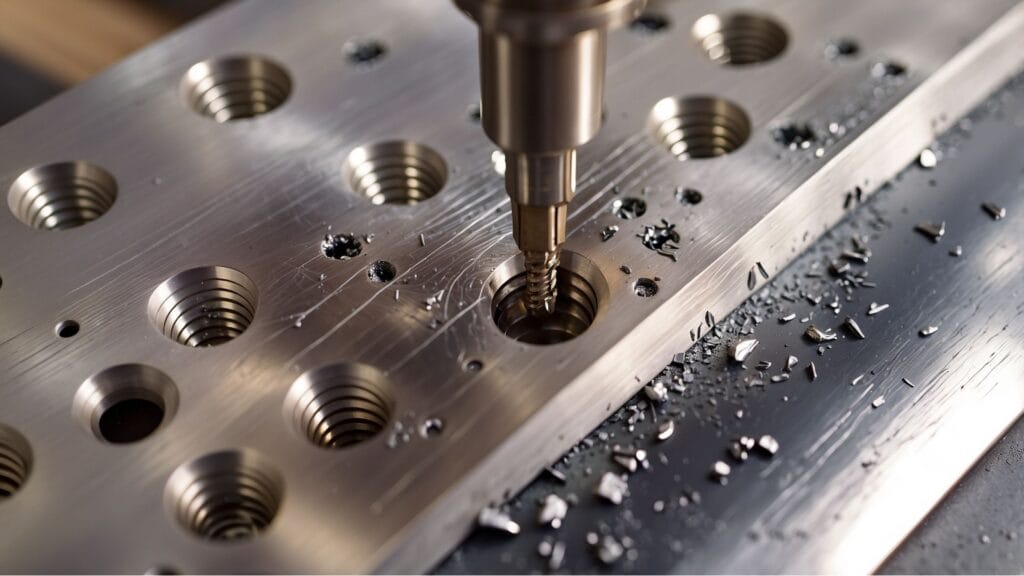
Threaded holes are those that have a helical ridge or thread inside the hole which allows a screw, bolt or inserted threaded insert to engage it. Holes may be threaded by tapping, threading or by inserting a pre-made threaded insert.
Threading is a process whereby a spiral groove is cut in the wall of a drilled hole. The shape of the groove is called the thread form. Threading is done by a number of tool types: forming taps, threading inserts, or drill bits designed for threading. Any application that will install screws or bolts has threaded holes.
Tapped Holes Vs Threaded Holes:Key Difference
While both serve the same function of allowing screws or bolts to fasten components, there are some key distinctions.
Creation Method
Holes for tapped threads are only created by the tap, which cuts the threads into the material; thus, there is very little margin between the screw or bolt and the material thread. Threaded holes can be considered as a general category that may be achieved through tapping, lathe threading, or even threaded inserts. This makes threaded holes more flexible for adaptability in an application.
Tools Used
The production of tapped holes is more specialized and may require tapered taps, hand taps, or dedicated CNC tools for threading. The production of threaded holes can be done with a wider variety of tools, depending on the particular application, such as taps, threaded inserts, or drill bits designed for threading. That diversity can also allow for various manufacturing processes and material types.
Personalization
Most of the time, tapped holes can be made for any particular screw or bolt size, enabling them to fit securely and precisely into their applications. On the other hand, threaded holes will allow more versatility, taking different thread forms depending on the threading method in use. This versatility enables it to suit many projects that need to be compatible with other types of fasteners.
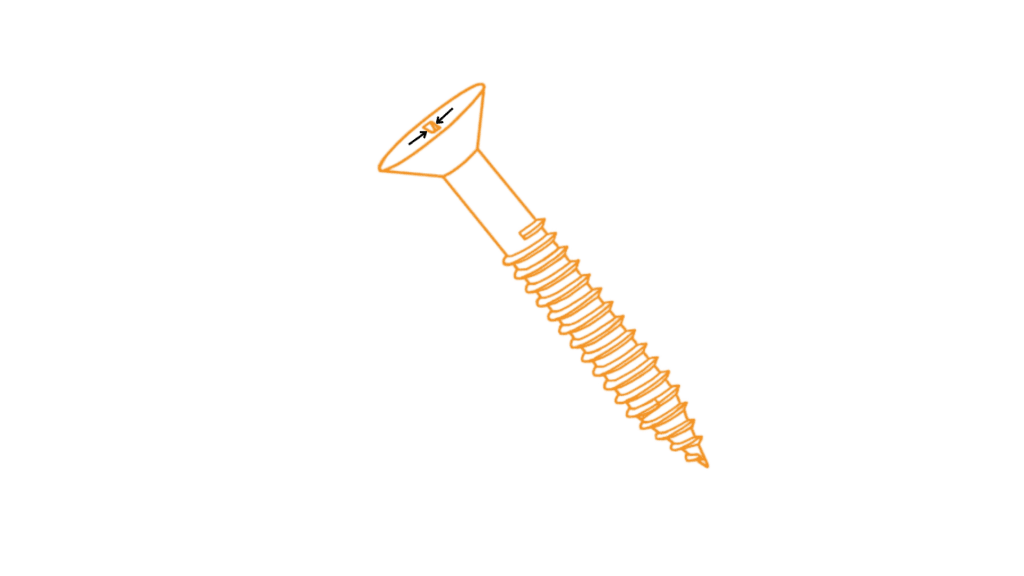
Precision And Strength
Tapped holes are well known for their high precision and strength, especially when done with proper tapping techniques. However, the strength and precision of the threaded hole differ in threading processes and tool selection, so the overall reliability of the assembly suffers if not chosen properly. So, a proper method for making such holes should be chosen to realize their optimal performance in engineering applications.
Similarities Between Tapped Hole And Threaded
Despite their differences, tapped and threaded holes share several similarities. You might have already noticed that they serve the same basic function: to allow screws or bolts to fasten components.
Functionality
Holes tapped and threaded holes are made for receiving screws, bolts, or inserts with threads, which helps assemble components. The similarity in this purpose makes them quite vital in many mechanical and structural applications.
Material Compatibility

All these are capable of tapping and threading holes into a wide range of materials, including metals, plastics, and composites, widening their application areas in many industrial fields very substantially. Both find their place in common CNC machining manufacturing since precision is paramount in achieving assembled component fit and functionality.
Conclusion
In the choice of method for your project, one must consider what the differences are between tapped holes and threaded holes. Tapped holes will be specifically created with taps to form internal threads, while threaded holes might be a product of several methods: by tapping, threaded inserts, and other threading processes. Whereas both kinds of holes are deeply connected with manufacturing and assembly, their selection has to be guided by application of the part, available tooling, and precision required.
Whether done with hand taps, CNC machining, or some other threading method, an important choice-one that is paramount if maximum performance and lifespan are to be had-is between tapped holes and threaded holes. Knowledge of the involved tools-like tapered taps, forming taps, and the right drill bits-is important for building solid and reliable internally threaded connections for any mechanical or engineering application.
Final Thoughts
In my 15 years of experience in CNC machining service, understanding the differences between tapped holes and threaded holes is crucial. Tapped holes are created by cutting internal threads in a drilled hole using a tap, while threaded holes can be made through various methods, including the use of threaded inserts. Choosing the right type of hole is essential for ensuring precise connections and functionality of parts. For instance, at our company, we successfully applied tapping techniques to achieve high-strength connections for aerospace projects, ensuring reliability under extreme conditions. Our professional team provides customized CNC machining solutions to meet the needs of various industries. Choose Ultirapid for exceptional quality and service!
Faqs
What Materials Can Be Tapped?
Tapped holes can be made in various materials, including metals like aluminum, steel, and brass, as well as plastics such as acrylic and nylon. Composites like carbon fiber can also be tapped, requiring specialized tools. Even wood can be tapped using specific screws.
How Do Tapped Holes Compare To Threaded Holes In Terms Of Strength And Application?
Tapped holes generally provide higher strength due to their internal threads cut directly into the material, making them ideal for applications requiring strong, precise fastening. In contrast, threaded holes can be made through various methods, offering versatility, especially with threaded inserts for softer materials.
What Tools Are Used For Cutting Threads In A Tapped Or Threaded Hole?
Tools used for cutting threads in tapped or threaded holes include taps, threading dies, threading inserts, drill bits, and reamers. Hand taps are used for manual threading, while machine taps are suited for automated equipment. Threading dies cut external threads, ensuring precise thread quality. The choice of tool depends on the material type and the required thread size.


