
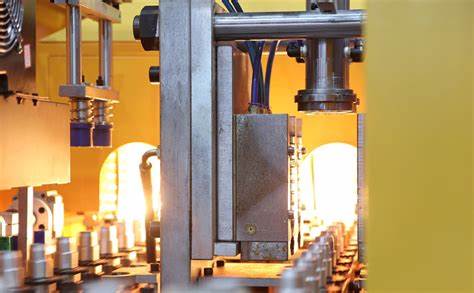
Now, imagine you were to make an art piece of some kind, only instead of using clay or paint, you will be using plastic. That is basically what vacuum forming does: a technique whereby we take a flat sheet of plastic, heat it up until it turns soft, and take that with a vacuum to mold it over the shape.
Vacuum forming is an indispensable part of modern manufacturing since it can frequently present manifold and economical possibilities of fabrication of plastic parts. Be it prototype designs, packaging, or durable plastic components, whatever one is dealing with, vacuum forming presents a workable method for their production.
In this article, we will delve into details such as the process of vacuum forming, the possibilities of materials, and the advantages involved in using it. Comparisons will be made against other forming techniques, including Wang plastic forming, to give an overview of when and why vacuum forming is ideal for your production needs.
What Is Vacuum Forming?
Vacuum forming is the thermoforming process employed in the shaping of plastic materials by applying heat and vacuum. During this process, a sheet of plastic is usually heated until it attains a flexible and soft state. Later on, the heated sheet is then placed over a mold, with an applied vacuum drawing the plastic tightly over mold contours. The resultant shape shall be one that is precise and detailed according to design. As soon as the vacuum is pulled, the plastic cools and hardens, holding the new form.
This method is greatly used for creating items such as packaging, automotive parts, and prototypes that can be fabricated at a faster rate in a cost-effective manner for low- to medium-volume production. It can work with many types of plastic materials; hence, vacuum forming can be one of the flexible alternatives to create customized durable parts. Besides this, the process is comparatively fast; hence, this can be suitable for rapid prototyping or testing prior to mass production.
How Is Vacuum Forming Performed?
The vacuum-forming process consists of some critical stages, which are simple and important. From the heating of the plastic sheet to the application of a vacuum, every stage plays an important role in molding the final product.
The process of vacuum forming starts by placing a thermoplastic sheet, such as PVC, ABS, or acrylic, onto the vacuum-forming machine. This is followed by the heating of the sheet to a certain temperature, whereby it turns soft and pliable. This is an important stage because it enables the molding of the material. Once at the right temperature, the plastic is laid onto a preheated mold, which can be either made from metal or plastic materials based on the complexity and design needs of a part.
It then applies a vacuum to draw the heated plastic tightly over the surface of a mold, ensuring it assumes the contours of the mold. Once it is fully conformed, it cools down and solidifies in its new shape. After cooling, the formed part would be taken from the mold, and any excess plastic around the edges would be trimmed. Tempering with finishing touches, such as cutting holes or other additional modifications, is completed on the part. This provides a fast, efficient, and cost-effective solution for creating custom plastic components.
What Are The Advantages And Disadvantages Of Vacuum Forming?
While the process of vacuum forming has many advantages like cost-effectiveness and versatility, it is equally important to learn about the associated limitations. This section will help you understand when to use this technique and when not, as it’s all about weighing the pros and cons regarding vacuum-forming services for your production needs.
| Advantages | Disadvantages |
| Fast production speed per unit, ideal for small-scale production | Only one part or product can be produced at a time, best suited for small batches |
| Low manufacturing costs, suitable for budget-conscious projects | May require additional resources or processing to complete components |
| Low forming costs, especially when using economical materials like high-density foam | May require extra resources or processing to complete components |
| Consistent shapes and sizes across different batches, especially when using the same mold repeatedly | Thick plastic sheets may bend during vacuum forming, requiring careful stretching to avoid deformation |
| Wide variety of customizable mold shapes and sizes to meet different product needs | Designs must be relatively simple, as the mold can only capture limited detail |
| Easy to scale up or down production and produce new components as needed | Poor mold quality can result in defects in the final product |
| Excess plastic can be recycled into new sheets for future production | Excess moisture may cause unwanted bubbles to form |
| Supports rapid prototyping, speeding up the development process | Transparent or light-colored parts may show mold marks or debris |
Vacuum Formed Materials
Material selection forms the backbone of vacuum forming processes, and it greatly determines the quality, durability, and functionality of the final product. Plastic material type directly influences these factors.
Acrylic-Pmma: Characterized by clarity and strength, it finds application in display cases, signs, and covers.
ABS: It is a tough material that can bear significant impact; hence, it is used on auto parts, consumer products, and casings.
PVC: PVC is versatile, lower-cost resin used for packaging, sign, and medical applications.
Polycarbonate: Outstanding strength, and impact resistant, this is used in safety covers, and various car parts.
Polystyrene: This is a lower-cost thermoplastic used in packaging, trays, and containers.
What Are The Types Of Vacuum Forming Machines?
The kind of vacuum-forming machine you go for can drastically affect the speed and quality of your production process. With various types of production needs, there are machines that exist, starting from small manual to full automated systems. In case you think about investing in a vacuum-forming machine or revising the one you already have, understanding the different types of machines becomes quite vital.
Benchtop Vacuum Forming Machines
These are relatively small, easy-to-operate machines and are intended for prototyping and low-level productions, which go well with the manufacture of less complicated, low-volume plastic parts. The two biggest users of these machines are educational facilities and preliminary product testing.
Industrial Vacuum-forming Machines
These are larger and heavier machines that can produce high volumes of plastic parts. They are widely used by various automobile industries, in packing, and even in the manufacture of consumer goods when bulk production with accuracy is required.
Pressure Forming Machines
Another variant of the vacuum-forming process, pressure forming relies on both a vacuum and air pressure for shaping the plastic. This technology will enable one to make really detailed parts with finer features and deeper draws, which is great for more complex projects that require much more precision.
Twin Sheet Vacuum Forming Machines
A technology that utilizes two sheets of plastic to provide for the production of double-walled parts. Common applications include packaging, automotive, and structural applications where parts require additional strength and insulation.
What Are The Common Vacuum Forming Technologies?
Depending on the complexity of the part, material, and volume of production, it is possible to adopt different technologies of vacuum forming. Knowledge of common vacuum-forming technologies will, therefore, be indispensable in giving insights into which technology may be suitable for your needs, whether to achieve intricate details or mass production of parts.
The process of thin gauge vacuum forming consists of plastic sheets thinner than 1mm and finds good adaptation in light and efficiently produced ways, such as disposable packaging and medical devices. This is quite suitable for high-volume manufacturing where speed and cost efficiency are decisive.
On the other hand, Heavy Gauge Vacuum Forming uses thicker plastic sheets above 1 mm to make stronger and more durable parts. It is intended for those industries that have a greater demand for durability and strength in their parts, such as the automotive and aerospace industries. Pressure-Assisted Vacuum Forming creates even more detailed parts than traditional vacuum forming, complementing the vacuum pressure with additional air pressure, thus enabling the creation of more intricate shapes and rendering the process ideal for applications needing greater precision and deeper draws.
Vacuum Forming Applications
The applications of vacuum forming vary right from packaging to automotive components. Be it for the automotive, medical, or consumer goods sectors, each has a certain need that can be catered to with vacuum-forming applications.
The well-established technique of vacuum forming finds wide applications in many industries due to efficient and cost-effective reasons in production. It is being used in the packaging industry, which manufactures customized food trays, blister packs, and protective packaging. In the car industry, it makes strong interior components, dashes, and trim pieces, while in consumer goods, it manufactures plastic containers, toys, and appliance covers.
Also, vacuum forming is so important in signage and displays, making attractive signs and ornaments for retail, exhibitions, and advertisements. Medical applications involve manufacturing parts of medical equipment, protective covers, and surgical tools. The ability of making complicated, accurate forms in various types of materials makes vacuum forming an ideal solution for these varied applications.
Conclusion
Some of the major benefits that come along with the process for plastic parts manufacturing involve cost-effectiveness, flexibility, and speed. At the same time, this process needs to be weighed against your specific production requirements in view of material choice, mold complexity, and volume. In that respect, vacuum forming can be just the method you need to help in creating tough, high-quality plastic parts. Now that we have taken a closer look at the process, materials, and applications involved in vacuum forming, you should be in a better position to understand whether the said technology is the right fit for your next project.
Final Thoughts
As a professional with 15 years of experience in vacuum forming, I deeply understand the widespread applications and unique advantages of this process across various industries. Vacuum forming involves heating thermoplastic sheets to a softening point and then using a vacuum to mold them into complex shapes. Common materials include ABS, polycarbonate, and polypropylene, which are suitable for applications ranging from packaging to automotive parts.
With years of hands-on experience, our company has developed expertise in vacuum forming, particularly in automotive interior components and consumer goods, successfully delivering high-quality custom products for our clients. We have optimized material selection and production processes, significantly improving both efficiency and product precision. If you have vacuum forming needs,Ultirapid will provide you with tailored solutions.
Faqs
What Products Are Made By Vacuum Forming?
Vacuum forming is used to create a wide range of products, including packaging materials like blister packs and clamshells, automotive parts such as dashboards and trim, consumer goods like storage containers and toys, medical device covers, and electronic enclosures.
What Is The Difference Between Thermoforming And Vacuum Forming?
Thermoforming is a process where a heated plastic sheet is molded over a mold. Vacuum forming is a specific method within thermoforming, where a vacuum is used to stretch the plastic sheet over the mold, typically for producing thin-walled parts. While vacuum forming is primarily used for thinner materials, thermoforming can handle materials of varying thicknesses, making vacuum forming a subset of the broader thermoforming process.
What Material Is Used For Vacuum Packaging?
Vacuum packaging uses durable, flexible plastics like polyethylene (PE), polyamide (PA), polyvinyl chloride (PVC), and polypropylene (PP). These materials offer moisture, oxygen, and light barriers, ensuring product freshness. Laminates and aluminum foil are also used for superior protection, ideal for high-end food items, electronics, and other sensitive products.


