
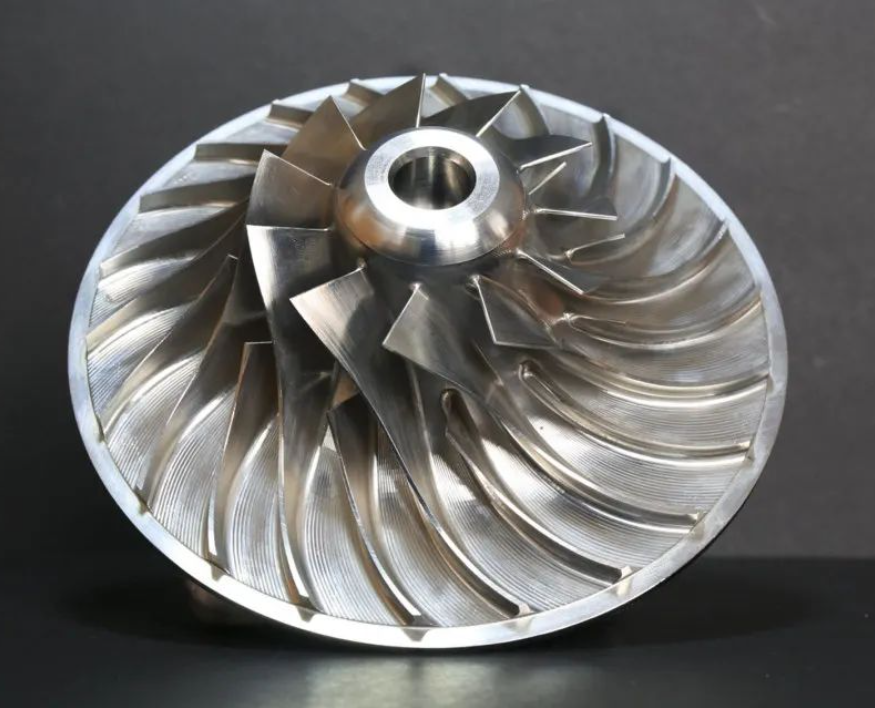
Imagine a component so robust yet lightweight that it powers jet engines, turbines, and high-performance machinery with unmatched efficiency. Titanium alloy impellers are the unsung heroes of modern engineering, blending strength, durability, and precision. Dive into this article to uncover their design, benefits, and revolutionary applications that are shaping industries worldwide.
What Are Titanium Alloy Impellers?
Titanium alloy impellers are critical rotating components used in high-performance machinery like turbines, pumps, and compressors. Crafted from titanium alloys, they offer exceptional strength-to-weight ratios and corrosion resistance. Curious about how these engineering marvels are made and why they dominate demanding applications? Read on to explore their unique properties and manufacturing processes.
Titanium alloys, typically combining titanium with elements like aluminum, vanadium, or molybdenum, are prized for their low density and high strength. Impellers made from these materials can withstand extreme temperatures and stresses, making them ideal for aerospace, marine, and industrial applications. Their ability to maintain structural integrity under harsh conditions sets them apart from traditional materials like steel or aluminum.
The design of titanium alloy impellers is a blend of art and science. Engineers use advanced computational fluid dynamics (CFD) to optimize blade shapes for maximum efficiency. These impellers are often found in centrifugal compressors, turbochargers, and jet engines, where precision and reliability are non-negotiable. Their unique properties ensure minimal energy loss and enhanced performance, making them a cornerstone of modern engineering.
Why Choose Titanium Alloys For Impellers?
Ever wondered why titanium alloys are the go-to material for impellers in cutting-edge industries? Their unique combination of lightweight strength, corrosion resistance, and thermal stability makes them unbeatable. Let’s dive into the reasons titanium alloy impellers are transforming engineering applications and why they’re worth the investment.
Superior Strength-to-Weight Ratio
Titanium alloys offer strength comparable to steel but are 45% lighter. This reduces the overall weight of machinery, improving fuel efficiency in applications like aircraft engines and enhancing performance in high-speed rotating systems.
Exceptional Corrosion Resistance
Unlike steel, titanium resists corrosion from saltwater, chemicals, and harsh environments. This makes titanium alloy impellers ideal for marine applications and chemical processing, where longevity and minimal maintenance are critical.
High-Temperature Performance
Titanium maintains structural integrity at elevated temperatures, unlike aluminum, which softens under heat. This property ensures impellers perform reliably in jet engines and gas turbines, where temperatures can exceed 600°C.
Manufacturing Process Of Titanium Alloy Impellers
How are titanium alloy impellers crafted to meet the stringent demands of high-performance systems? The manufacturing process is a fascinating blend of precision engineering and advanced technology. Discover the intricate steps that transform raw titanium into impellers that power the world’s most advanced machinery.
Alloy Selection And Preparation
The process begins with selecting the right titanium alloy, such as Ti-6Al-4V, known for its balance of strength and workability. Raw materials are carefully blended to ensure consistent properties across the impeller.
Advanced Manufacturing Techniques
Techniques like precision forging, casting, or additive manufacturing (3D printing) shape the impeller. Forging enhances strength, while 3D printing enables complex geometries, optimizing airflow and efficiency in demanding applications.
Precision Machining And Finishing
Machining titanium requires specialized tools due to its hardness. Post-processing includes heat treatment to improve durability and surface finishing to reduce friction, ensuring the impeller meets tight tolerances.
Quality Control And Testing
Non-destructive testing, such as X-ray or ultrasonic inspections, ensures flaw-free components. These rigorous checks guarantee that titanium alloy impellers meet the exacting standards of industries like aerospace and energy.
Applications Of Titanium Alloy Impellers
From jet engines soaring through the skies to pumps powering industrial plants, titanium alloy impellers are everywhere. Their versatility and performance make them indispensable in demanding environments. Want to know where these high-tech components shine the brightest? Let’s explore their diverse applications across industries.
Aerospace Industry
In jet engines, titanium alloy impellers handle high-speed airflow and extreme temperatures, improving fuel efficiency by up to 15%. Their lightweight design reduces aircraft weight, contributing to lower emissions.
Marine Applications
Titanium impellers power ship propulsion systems and desalination plants, resisting corrosion from seawater. Their durability ensures long service life, even in harsh marine environments.
Industrial And Energy Sectors
In centrifugal pumps and gas turbines, titanium impellers enhance efficiency and reliability. They’re also used in renewable energy systems, like tidal turbines, where corrosion resistance is critical.
Emerging Technologies
Titanium impellers are finding applications in electric vehicle cooling systems and space exploration, where lightweight, high-performance components are essential for next-generation technologies.
Advantages Of Titanium Alloy Impellers Over Other Materials
What makes titanium alloy impellers stand out compared to steel or aluminum? Their unique properties give them a competitive edge in high-stakes applications. Curious about how titanium outperforms traditional materials? Let’s break down the advantages that make these impellers a top choice for engineers.
- Lightweight Design: Titanium’s low density reduces impeller weight, improving energy efficiency in rotating machinery. This is especially critical in aerospace, where every kilogram saved translates to fuel savings.
- Corrosion Resistance: Unlike steel, titanium doesn’t require heavy protective coatings, reducing maintenance costs. Its resistance to corrosion ensures reliability in chemical plants and marine systems.
- Durability and Longevity: Titanium impellers withstand wear and fatigue better than aluminum, extending service life. This durability reduces downtime and replacement costs in industrial applications.
- Biocompatibility for Specialized Uses: Titanium’s biocompatibility makes it suitable for medical equipment and food processing systems, where material purity is essential. This versatility expands its application range.
Challenges And Limitations Of Titanium Alloy Impellers
Are titanium alloy impellers perfect? While they offer incredible benefits, they come with challenges that engineers must navigate. Interested in understanding the trade-offs of using titanium? Let’s explore the limitations and how industries overcome them to leverage titanium’s potential.
High Material And Processing Costs
Titanium alloys are expensive to source and process, increasing upfront costs. This can be a barrier for budget-conscious projects, despite the long-term savings.
Machining Difficulties
Titanium’s hardness makes machining challenging, requiring specialized tools and expertise. This can increase production time and costs for complex impeller designs.
Limited Availability
Titanium is less abundant than steel or aluminum, leading to supply chain constraints. This can delay production schedules, especially for large-scale projects.
Solutions to Overcome Challenges
Advancements like additive manufacturing and automated machining are reducing costs and production times. Hybrid designs combining titanium with other materials also help balance performance and cost.
Innovations In Titanium Alloy Impeller Technology
The world of titanium alloy impellers is evolving rapidly, driven by cutting-edge innovations. From advanced manufacturing techniques to new alloy compositions, these developments are pushing performance to new heights. Want to know what’s next for titanium impellers? Let’s dive into the latest technological breakthroughs.
Additive manufacturing, or 3D printing, has revolutionized impeller production, enabling complex geometries that optimize airflow and efficiency. New titanium alloys with enhanced properties, such as higher temperature resistance, are being developed to meet the demands of next-generation engines. Smart impellers embedded with sensors for real-time performance monitoring are also emerging.
These innovations are making titanium alloy impellers more efficient and versatile. For example, 3D-printed impellers reduce material waste and production time, lowering costs. As industries adopt sustainable practices, these advancements ensure titanium impellers remain at the forefront of high-performance engineering solutions.
The Future Of Titanium Alloy Impellers
What does the future hold for titanium alloy impellers? As industries demand greater efficiency and sustainability, these components are poised to play a pivotal role. Excited to learn how titanium impellers will shape the next era of engineering? Let’s explore their promising future.
The push for greener technologies is driving demand for lightweight, efficient components like titanium alloy impellers. In aerospace, they’ll contribute to fuel-efficient aircraft, reducing carbon emissions. In renewable energy, their corrosion resistance will enhance the durability of tidal and wind turbines. Advances in recycling titanium could also lower costs, making them more accessible.
Emerging fields like space exploration and electric vehicles will rely on titanium impellers for high-performance systems. With ongoing research into stronger, lighter alloys and smarter manufacturing processes, titanium alloy impellers are set to redefine engineering standards in the coming decades.
Economic And Environmental Impact Of Titanium Alloy Impellers
Titanium alloy impellers don’t just perform—they impact economies and the environment in profound ways. Their efficiency and durability offer both financial and ecological benefits. Curious about how these components contribute to sustainability and cost savings? Let’s explore their broader implications.
Cost Savings Over Time
Titanium’s durability reduces maintenance and replacement costs, offering long-term savings. In aerospace, lightweight impellers lower fuel consumption, cutting operational expenses.
Environmental Benefits
Efficient impellers reduce energy use, lowering carbon emissions in aircraft and industrial systems. Titanium’s recyclability supports sustainable manufacturing practices.
Industrial Productivity
By minimizing downtime and maintenance, titanium impellers boost productivity in industrial plants, contributing to economic efficiency.
Circular Economy Potential
Advances in titanium recycling align with circular economy goals, reducing waste and making impellers more environmentally friendly.
Conclusion
Titanium alloy impellers are engineering masterpieces, powering advanced systems with unmatched strength, efficiency, and durability. Their lightweight design, corrosion resistance, and high-temperature performance make them indispensable in aerospace, marine, and industrial applications. As innovations in manufacturing and alloy development continue, these impellers will drive sustainability and performance in the future. Whether you’re an engineer or simply curious, titanium alloy impellers represent the pinnacle of modern engineering, shaping a more efficient and sustainable world.


