
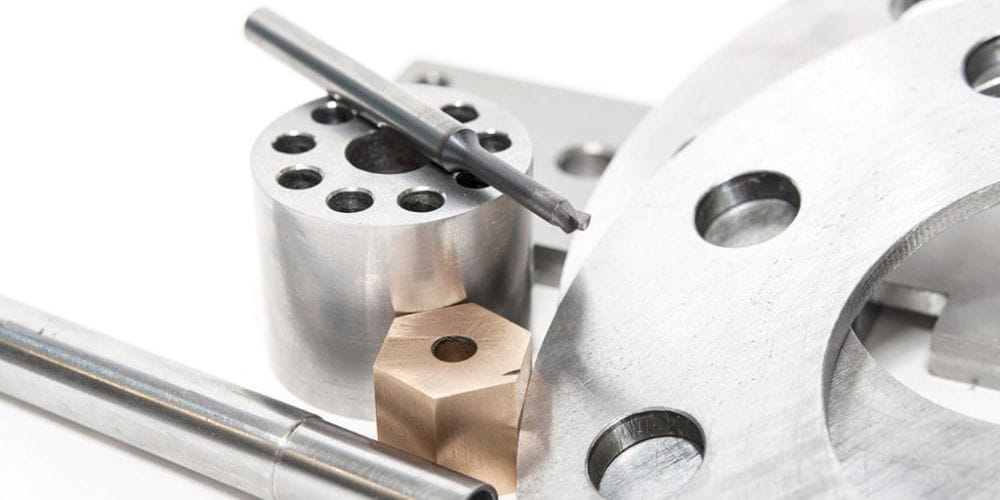
CNC machining is a manufacturing process that relies on pre-programmed instructions to control machine operations, enabling the precise creation of complex parts and components. One critical aspect of CNC machining services is the quoting process, which provides customers with cost estimates for their projects. Clients often ask, “What will the total process or specific parts cost? What is the cost of CNC machining?” In response, manufacturers or developers supply detailed quotes outlining the estimated expenses involved.
Accurate quoting requires careful evaluation of several factors, including material selection, design complexity, production volume, and any special requirements, such as surface treatments or tight tolerances.This guide will walk you through the key steps of the quoting process, ensuring you can prepare precise and competitive quotes while accounting for all essential factors—minimizing the risk of unexpected costs or delays.
Factors To Consider For A Good Quotation
Several elements affect the overall cost of CNC machining projects, including design complexity, order volume, turnaround time, and materials. For an accurate and fast estimate, you can submit your project details through Ultirapid’s SmartQuote platform. Below, we break down the primary factors that determine CNC machining costs:
Design Complexity:CNC machining offers exceptional precision, repeatability, and accuracy, but more complex designs require specialized tooling and longer setup times, driving up costs. Parts with intricate features or fine details are more challenging to produce, leading to higher expenses. The more complicated and precise a design, the greater the machining effort—and the overall cost.
Production Volume:The quantity of parts ordered plays a significant role in determining unit costs. Larger production runs reduce the per-unit price by spreading setup and production times across many parts. In contrast, smaller batches may incur higher costs, especially if the shop has minimum order requirements. Some shops optimize production by stacking materials or batching parts to lower costs. Ordering in bulk can significantly reduce the overall quote.
Material Selection:The material used impacts both the raw material cost and the machinability cost. Material prices fluctuate based on market demand and availability, and some materials are easier to machine, reducing time and expense. Harder, brittle, or ductile materials are more challenging to machine, increasing costs. Complex materials require specialized tools and machining processes, further raising the overall expense.
Setup Costs:Setup costs cover the time required to load and calibrate tools, install fixtures or workholding devices, and set zero points and offsets. Simpler parts typically involve less setup time, often meeting the shop’s minimum requirements. However, complex parts requiring multiple tools or setups will incur higher setup costs. These costs are a significant portion of the final price and are most affected by order quantity—higher volumes spread these costs across more parts, lowering the per-unit cost.
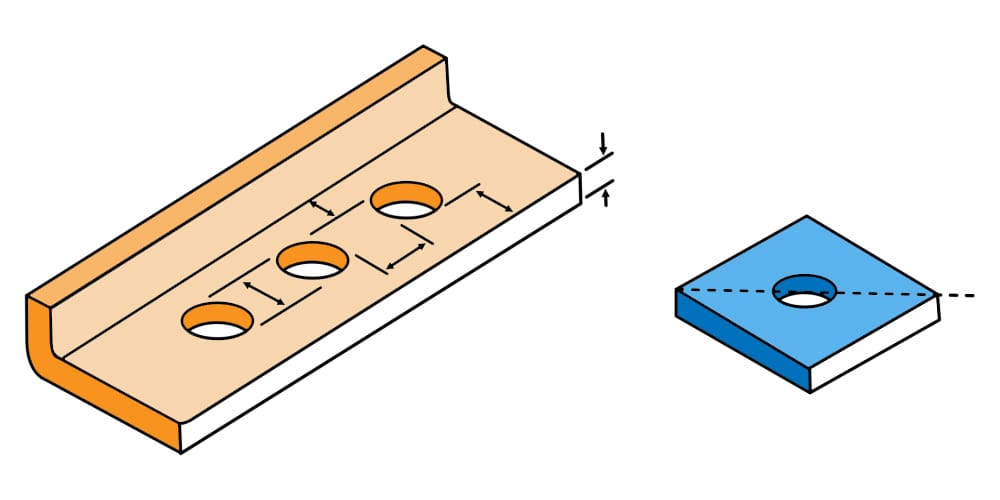
Part Tolerances:Tight tolerances determine how precisely different components must fit together. Higher precision increases machining complexity, requiring advanced equipment and skilled operators, which significantly raises costs. Achieving close tolerances demands precise programming and toolpath execution, increasing both time and labor requirements. As a result, parts requiring high precision can be considerably more expensive.
Machining Time:Machining time refers to the number of minutes required to machine a single part. Unlike other factors, machining time is a fixed cost that remains constant regardless of order volume.
Tooling Costs:When custom tools are needed, the initial setup expenses increase, particularly for low-volume production. The cost of these tools is reflected in the part price to cover the shop’s investment. In higher-volume orders, the per-part tooling cost decreases, but in small batches, custom tooling can add substantial overhead.
By understanding these factors, manufacturers and clients can collaborate effectively to create cost-efficient CNC machining solutions while balancing precision, volume, and material requirements.
What Do You Need to Prepare For CNC Machining Parts Quotation?
To receive an accurate CNC machining quote, it’s important to provide several key details. Here’s what you need to prepare:
CAD Files
Submit computer-aided design (CAD) files of the parts to be machined. These files should be in formats such as STEP, IGES, or DXF. Include any relevant technical drawings or models with dimensions, tolerances, surface finish requirements, and other essential specifications to facilitate smooth production.
Material Specifications
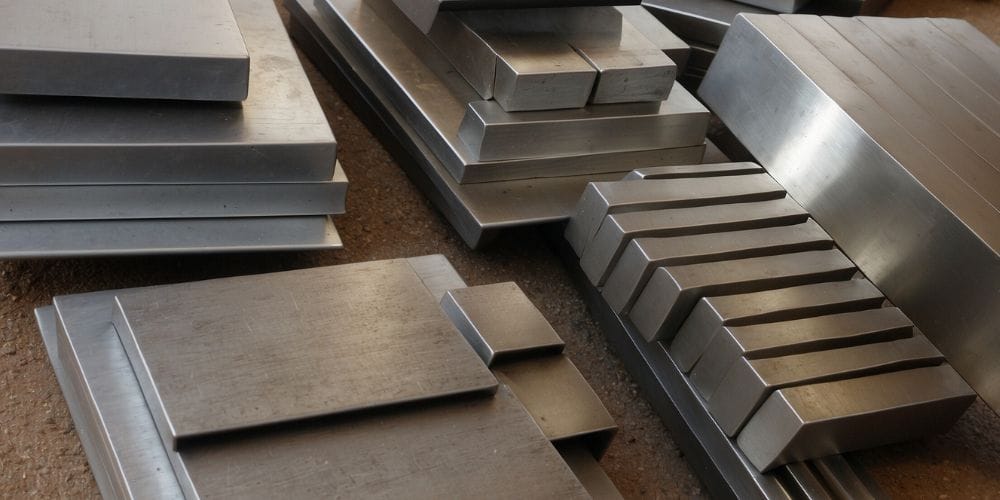
Provide detailed information on the materials required, including the type (e.g., aluminum, stainless steel, plastic) and any specific grades or standards. Material choice affects the quote, so clearly state the production quantity needed. Also, specify the tolerances, which indicate the acceptable dimensional variations and ensure precision manufacturing.
Surface Finish Requirements
Outline the desired surface finish for your parts, mentioning any treatments or coatings required, such as anodizing, plating, polishing, or painting. Be sure to reference relevant surface finish standards to ensure the final product meets your expectations.
Choosing A Reliable CNC Machining Partner
Partnering with a high-quality CNC machining provider may require a higher initial investment but helps minimize the risks of rework and part failures, leading to long-term savings. Ultirapid has 15 years of experience in precision CNC machining and offers solutions for both prototypes and small-batch production. Our skilled engineering team can guide you in selecting the optimal CNC processes and surface finishes to meet your quality and budget requirements.Submit your project details through Ultirapid’s SmartQuote system today for an accurate and competitive quote.
How To Get A Quote For CNC Machined Parts
After customers design the parts they need for CNC machining, they often seek to know the costs associated with these machined components. There are generally two main methods for obtaining quotes for custom CNC machined parts.
The first and more traditional method involves directly requesting quotes by reaching out to CNC machining companies via email or phone. Many engineers attach 3D files and 2D drawings in their communications, along with a spreadsheet detailing each part’s specifications, including materials, quantities, surface finishes, and other relevant information. This method allows for personalized communication, where you can ask specific questions and clarify project details. It also offers flexibility in discussing pricing, lead times, and other terms. Additionally, direct communication can foster long-term relationships with suppliers, which is advantageous for future projects. However, for projects with tight timelines, this back-and-forth emailing for quotes can be impractical, and some machine shops may take several days to prepare a quote.
Fortunately, technological advancements have introduced a more efficient alternative: the online quoting system. Engineers can upload their 3D files to user-friendly platforms that provide instant quotes. Most CNC machining companies now offer online quoting systems where you can upload CAD files and specify project details such as material type, quantity, tolerances, and surface finish requirements. This approach allows for quick receipt of instant or rapid estimates based on the provided information. Requests can be submitted at any time without needing to directly contact a representative, making it easier to compare quotes from various suppliers.
Conclusion
Quoting CNC machining parts is an essential step in the manufacturing process, significantly affecting both project budgets and timelines. By understanding the critical factors involved such as design specifications, material selections, quantities, tolerances, surface finishes, and quoting methods engineers and procurement professionals can ensure they receive accurate and competitive quotes. Whether choosing traditional direct inquiries or utilizing advanced online quoting systems, selecting the right approach can streamline communication with suppliers and improve decision-making. Ultimately, a well-prepared quote not only reflects the production costs but also lays the groundwork for a successful partnership between clients and machining companies. Investing time to gather comprehensive information and clearly define project requirements will lead to better outcomes and nurture long-lasting relationships within the CNC machining industry.
Final Thought
With 15 years of experience in the CNC machining service industry, I understand that quoting CNC machining parts is a critical step that can make or break a project. Accurate quotes hinge on precise design specifications and material choices. Detailed CAD files are essential, as even minor errors can lead to significant cost increases and delays.
At Ultirapid, we prioritize precision and clarity in our quoting process. Our online quoting system allows engineers to upload their CAD files and receive instant estimates, making the process both efficient and user-friendly. We also recognize the importance of personal communication, especially for complex projects, ensuring that our clients receive tailored solutions that meet their specific needs.
FAQS
How To Calculate Machining Cost For CNC Machines?
Calculating machining costs for CNC machines involves the following steps:
- Material Cost: Calculate the cost of raw material based on weight and price per unit.
- Machining Time: Estimate total machining time using cycle time and the number of parts produced.
- Labor Cost: Include wages for operators and any overhead.
- Tooling Cost: Factor in costs for tools and tool wear, amortized over their expected life.
- Overhead Costs: Account for maintenance, utilities, and facility expenses.
- Profit Margin: Add a profit margin to the total cost.
How Much Does CNC Machining Cost Per Hour?
The cost of CNC machining per hour typically ranges from $40 to $150, depending on factors like machine type, part complexity, material, labor costs, and overhead expenses. In specialized or high-precision environments, rates can exceed $200 per hour.
How To Quote Machining Time?
To quote machining time, analyze the part’s complexity, determine the machining processes required, calculate the time for each operation, and factor in tool changes and setup time to arrive at a total estimated machining time.


