
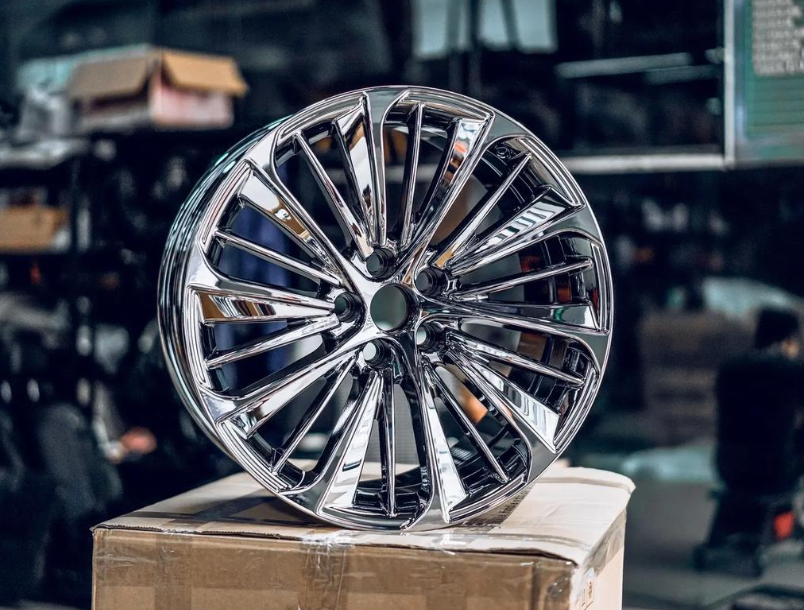
Electroplating is a transformative process that enhances the durability, aesthetics, and functionality of metal and plastic components across countless industries. By depositing a thin metal layer onto a substrate, electroplating improves corrosion resistance, wear durability, and visual appeal, making it indispensable in automotive, electronics, and aerospace manufacturing. This comprehensive guide dives into the electroplating process, exploring its types, materials, and applications, while comparing it to electroless plating and addressing its benefits and limitations. From achieving mirror-like finishes to ensuring long-lasting protection, electroplating meets diverse needs with precision. Whether you’re an engineer seeking to optimize part performance or a manufacturer aiming to elevate product quality, this article provides a detailed roadmap to understand electroplating’s mechanics, factors affecting its finishes, and why services like those from Ultirapid stand out. Discover how electroplating can enhance your projects, delivering robust, high-quality components that meet stringent industry standards.
What Is Electroplating?
Electroplating is a widely used surface finishing technique that enhances component performance. This section defines electroplating, its principles, and its significance in modern manufacturing across various industries.
Electroplating is an electrochemical process that deposits a thin layer of metal onto a substrate, typically metal or plastic, to improve its properties. By immersing the substrate (cathode) in an electrolyte solution containing metal ions and passing an electric current, metal ions are reduced and bond to the substrate’s surface. Common plating metals include gold, silver, nickel, and chromium, applied in thicknesses from 0.5 to 50 microns. The process enhances corrosion resistance, wear durability, conductivity, and aesthetics, making it vital for industries like automotive, electronics, and jewelry. Electroplating requires precise control of voltage (1–6 volts), current density (0.1–10 A/dm²), and bath composition to achieve uniform coatings. Its ability to tailor surface properties, such as hardness (e.g., 800 HV for chromium) or reflectivity, ensures high-quality, functional parts that meet diverse application needs.
Electroplating Process
The electroplating process involves a series of steps to achieve high-quality metal coatings. This section outlines the detailed steps, equipment, and conditions required for successful electroplating.
The electroplating process begins with surface preparation to ensure adhesion.
- Cleaning: The substrate is cleaned using solvents or alkaline solutions to remove oils, dirt, or oxides.
- Pre-Treatment: Acid etching or abrasive blasting enhances surface roughness for better coating adhesion.
- Setup: The substrate (cathode) and a metal anode are placed in an electrolyte bath containing metal salts (e.g., nickel sulfate).
- Electrolysis: A DC power supply (1–6 volts) drives current, causing metal ions to deposit onto the substrate.
- Monitoring: Control bath temperature (20–60°C), pH (2–6), and current density (0.1–10 A/dm²) to ensure uniformity.
- Post-Treatment: Rinse and dry the plated part; optional polishing or sealing enhances finish quality.
Equipment includes plating tanks, rectifiers, and agitation systems. The process, typically lasting 5–60 minutes, ensures durable, uniform coatings tailored to specific requirements.
Electroplating Vs Electroless Plating Process
Electroplating and electroless plating are distinct coating methods with unique advantages. This section compares their processes, highlighting differences in application, efficiency, and outcomes for various manufacturing needs.
Electroplating uses an electric current to deposit metal onto a substrate, requiring a conductive surface and precise control. In contrast, electroless plating relies on a chemical reaction, depositing metal without external electricity, ideal for non-conductive substrates like plastics.
Electroplating
Requires a power supply (1–6 volts), anode, and cathode; faster (5–60 minutes) but limited to conductive surfaces. Offers thicker coatings (up to 50 µm) with high control over finish.
Electroless Plating
Uses autocatalytic chemical baths (e.g., nickel-phosphorus); slower (30–120 minutes) but coats complex geometries uniformly, including non-metals. Coating thickness (5–25 µm) is less controllable.
Electroplating excels in high-volume, conductive applications like automotive parts, while electroless plating suits intricate, non-conductive parts like printed circuit boards. Each method’s choice depends on substrate type, coating uniformity, and production goals.
Types Of Electroplating Methods
Electroplating methods vary to suit different substrates and applications. This section explores common techniques, detailing their processes and ideal use cases in industrial settings.
Rack Plating
Rack plating involves mounting parts on specialized racks, which are then immersed in an electrolyte bath where an electric current facilitates the deposition of a metal coating onto the parts. This method is particularly suited for large or delicate components, such as automotive parts or jewelry, where precise and uniform coating is essential. The advantages of rack plating include high control over the plating process, resulting in consistent and uniform coatings, even on complex shapes, making it ideal for parts requiring high aesthetic or functional quality. However, rack plating is labor-intensive, as parts must be individually mounted and removed, and it is slower for high-volume production, which can increase costs and limit its efficiency for large-scale operations.
Barrel Plating
Barrel plating entails placing small parts, such as screws, fasteners, or connectors, into a rotating barrel filled with an electrolyte solution, where the tumbling action ensures the parts are coated as an electric current is applied. This method is designed for high-volume production of small components, where thousands of parts can be processed efficiently in a single cycle. The advantages of barrel plating include its cost-effectiveness and high throughput, capable of handling large quantities of parts per hour, making it a preferred choice for mass production. However, limitations include the risk of part damage due to tumbling, which can cause scratches or dents, and less uniform coating for intricate shapes, as the random motion may not ensure consistent exposure to the electrolyte.
Brush Plating
Brush plating is a localized plating technique where a plating tool, typically a brush or swab saturated with electrolyte, is used to apply a metal coating to specific areas of a part. This method is ideal for repair work or selective plating on large components, such as turbine blades or industrial machinery, where only certain areas require coating. The advantages of brush plating include its precision, portability, and suitability for touch-ups or repairs, as it allows operators to target specific areas without affecting the entire part. However, it is a slow process, making it unsuitable for large-scale production, and its reliance on skilled operators can increase labor costs and limit scalability for high-volume applications.
Continuous Plating
Continuous plating involves moving parts, such as wires, strips, or coils, through a plating line where they are coated via a continuous flow of electrolyte solution, often in an automated setup. This method is commonly used in electronics or industrial applications where long, uniform parts require consistent metal coatings. The advantages of continuous plating include its high-speed, automated nature, which enables efficient processing of large quantities of material, and its suitability for parts with consistent geometries, ensuring uniform coating quality. However, its limitations include being restricted to specific part geometries, such as elongated or continuous forms, which reduces its versatility for complex or irregularly shaped components.
Electroplating Material Options
The choice of plating material significantly impacts coating performance. This section examines common electroplating metals and their properties, guiding material selection for specific applications.
Nickel
Nickel is a widely used electroplating material known for its corrosion resistance, durability with a hardness range of 400–600 HV (Vickers Hardness), and good electrical conductivity. It is commonly applied to automotive parts, tools, and electronic components to provide both protective and aesthetic benefits, enhancing longevity and surface appeal. Nickel coatings typically range from 5 to 50 µm in thickness, with a cost of $0.5 to $2 per square centimeter, making it a versatile and moderately priced option for applications requiring robust protection against wear and environmental factors. Its ability to form a strong, uniform layer ensures reliable performance in demanding industrial and consumer applications.
Chromium
Chromium is prized for its exceptional hardness (800–1000 HV), shiny appearance, and excellent wear resistance, making it a popular choice for both decorative and functional coatings. It is used for decorative finishes on items like faucets and automotive trim, as well as hard chrome coatings for industrial tools that require superior durability. Chromium coatings typically have a thickness of 0.5 to 20 µm and cost between $1 and $3 per square centimeter, reflecting their premium quality and aesthetic appeal. The high hardness and reflective finish make chromium ideal for applications where both visual appeal and resistance to abrasion are critical.
Gold
Gold is valued in electroplating for its excellent electrical conductivity, corrosion resistance, and aesthetically appealing finish, making it a premium choice for specialized applications. It is commonly used in electronics for connectors and circuit boards, where reliable conductivity is essential, and in jewelry for its luxurious appearance. Gold coatings are typically very thin, ranging from 0.1 to 2 µm, due to their high cost, which ranges from $10 to $50 per square centimeter. While expensive, gold’s unique combination of conductivity and resistance to tarnishing makes it indispensable for high-performance electronics and high-end decorative applications.
Silver
Silver offers superior electrical conductivity and unique antimicrobial properties, making it a preferred material for specific electroplating applications. It is used in electrical contacts for electronics, medical devices where hygiene is critical, and decorative items that benefit from its lustrous finish. Silver coatings typically range from 1 to 10 µm in thickness, with a cost of $2 to $8 per square centimeter, reflecting its balance of performance and expense. The high conductivity and antimicrobial benefits make silver ideal for applications requiring both functionality and cleanliness, though its cost and susceptibility to tarnishing require careful consideration.
Copper
Copper is a cost-effective electroplating material known for its high electrical conductivity and ability to serve as an effective base layer for subsequent coatings. It is commonly used as an undercoating for nickel or chromium plating to enhance adhesion or directly in electrical components like busbars and connectors. Copper coatings typically range from 5 to 30 µm in thickness and cost between $0.3 and $1 per square centimeter, making it one of the more affordable plating options. Its excellent conductivity and versatility as a base layer make copper a practical choice for both functional and preparatory plating applications, though it may require additional coatings for corrosion resistance.
Zinc
Zinc is widely used in electroplating for its sacrificial corrosion protection, offering an affordable way to protect steel parts from rust. It is commonly applied to automotive components, such as bolts, and construction hardware, where durability in harsh environments is essential. Zinc coatings typically range from 5 to 25 µm in thickness and cost between $0.2 and $0.8 per square centimeter, making it one of the most economical plating options. Its ability to act as a sacrificial anode, corroding in place of the underlying metal, makes zinc ideal for protecting steel in outdoor or corrosive settings, though its softer nature limits its use in high-wear applications.
Factors Affecting The Electroplating Finishes
Achieving high-quality electroplating finishes requires careful control of multiple factors. This section explores key variables that influence coating quality, uniformity, and performance.
- Bath Composition: Electrolyte solutions (e.g., nickel sulfate, chromium chloride) must maintain consistent metal ion concentrations to ensure uniform deposition. Imbalances cause uneven or defective coatings.
- Current Density: Ranges of 0.1–10 A/dm² affect deposition rate and quality; too high causes burning, too low leads to weak adhesion.
- Temperature: Bath temperatures (20–60°C) impact ion mobility; incorrect settings result in rough or porous finishes.
- pH Level: Typically 2–6, pH affects coating adhesion and brightness; deviations cause dullness or pitting.
- Surface Preparation: Inadequate cleaning or etching leads to poor adhesion, causing peeling or flaking.
- Agitation: Proper bath agitation ensures even ion distribution, preventing streaks or uneven thickness.
- Substrate Material: Conductivity and surface texture influence coating uniformity; non-conductive substrates require pre-treatment.
- Plating Time: Longer plating (5–60 minutes) increases thickness but risks over-deposition, affecting finish quality.
Controlling these factors ensures smooth, durable, and aesthetically pleasing electroplated finishes tailored to specific requirements.
The Benefits Of Electroplating
Electroplating offers numerous advantages that enhance component performance and longevity. This section highlights the key benefits, explaining why it’s a preferred surface finishing method.
Corrosion Resistance: Coatings like zinc or nickel protect substrates from rust, extending part life in harsh environments (e.g., marine or automotive applications).
Enhanced Durability: Hard coatings (e.g., chromium, 800 HV) improve wear resistance, ideal for tools or industrial parts.
Improved Aesthetics: Shiny finishes (e.g., gold, chrome) enhance visual appeal for jewelry, faucets, or decorative components.
Increased Conductivity: Gold or silver coatings boost electrical performance, critical for connectors or circuit boards.
Cost-Effectiveness: Thin coatings (0.5–50 µm) achieve significant improvements without excessive material costs.
Customizable Thickness: Precise control allows tailored coatings for specific functional or aesthetic needs.
Surface Hardness: Platings increase surface hardness, reducing scratches or abrasion on high-use parts.
Versatility: Applicable to metals, plastics, and complex geometries, supporting diverse industries.
Electroplating enhances functionality, durability, and marketability, making it a versatile solution for modern manufacturing.
The Limitations Of Electroplating
Despite its advantages, electroplating has limitations that must be considered. This section explores the challenges and constraints of the process, aiding informed decision-making.
Limited to Conductive Substrates: Electroplating requires conductive surfaces, restricting its use on non-metals without pre-treatment.
Environmental Concerns: Toxic chemicals (e.g., cyanide-based baths) and wastewater require strict disposal regulations, increasing costs.
Non-Uniform Coatings: Complex geometries may result in uneven deposition, requiring additional processing.
High Setup Costs: Equipment like rectifiers and plating tanks involves significant upfront investment ($10,000–$100,000).
Time-Intensive For Thick Coatings: Achieving thick layers (e.g., 50 µm) extends plating time, reducing throughput.
Surface Preparation Dependency: Poor cleaning or etching leads to adhesion failures, compromising finish quality.
Limited Material Options: Only certain metals (e.g., nickel, gold) are practical, limiting versatility compared to other coatings.
Maintenance Needs: Baths require regular monitoring and replenishment, adding operational complexity.
Understanding these limitations helps manufacturers weigh electroplating against alternatives like electroless plating or coatings.
The Many Applications Of Electroplating
Electroplating is integral to numerous industries, enhancing part performance and aesthetics. This section explores its diverse applications, showcasing its versatility in modern manufacturing.
Automotive
In the automotive industry, electroplating plays a critical role in enhancing both the durability and aesthetics of vehicle components. Nickel and chrome plating are commonly applied to bumpers, wheels, and engine parts to provide corrosion resistance and a polished, attractive finish that withstands harsh environmental conditions and improves visual appeal. Additionally, zinc plating is used on bolts and other fasteners to offer sacrificial corrosion protection, preventing rust and ensuring the longevity of these critical components in vehicles exposed to moisture, road salts, and other corrosive elements. This combination of protective and decorative plating enhances both performance and marketability in automotive manufacturing.
Electronics
Electroplating is essential in the electronics industry, where gold and silver coatings are applied to connectors, circuit boards, and other components to ensure reliable performance. Gold plating, valued for its excellent conductivity and resistance to oxidation, is used in high-performance connectors and contacts, ensuring consistent electrical signals in devices like smartphones and computers. Silver plating, with its superior conductivity, is also employed in electrical contacts where cost considerations allow, providing similar benefits. These coatings prevent corrosion and oxidation, which could degrade performance, ensuring long-term reliability in demanding electronic applications.
Aerospace
In aerospace applications, electroplating, particularly with nickel, is used to enhance the durability and performance of components like turbine blades and fasteners. Nickel plating provides excellent wear resistance and thermal stability, enabling these parts to withstand the high-stress, high-temperature environments encountered in aircraft engines and structures. This corrosion-resistant coating ensures longevity and reliability under extreme conditions, where failure could have critical consequences. The ability of nickel to maintain its properties in such demanding settings makes it a cornerstone of aerospace manufacturing, supporting safety and performance.
Jewelry
Electroplating is widely used in the jewelry industry to create luxurious, tarnish-resistant finishes for items like rings, necklaces, and watches. Gold plating provides a rich, aesthetically appealing surface that resists tarnishing, offering the look of solid gold at a lower cost, while silver plating is used for similar decorative purposes with a bright, reflective finish. These coatings not only enhance the visual appeal of jewelry but also improve durability by protecting the base metal from environmental wear and corrosion, ensuring that pieces maintain their beauty and value over time.
Medical
In the medical field, electroplating is employed to enhance the functionality and safety of critical devices. Silver plating is applied to surgical tools due to its antimicrobial properties, which help reduce the risk of infections in clinical settings, ensuring safer patient outcomes. Nickel plating, known for its durability and corrosion resistance, is used on medical implants and instruments to ensure longevity and biocompatibility in the body’s challenging environment. These coatings provide both practical benefits, such as extended service life, and critical health-related advantages, making electroplating essential for medical applications.
Consumer Goods
Electroplating, particularly with chromium, is extensively used in the consumer goods sector to enhance the durability and visual appeal of products like faucets, kitchen appliances, and decorative hardware. Chrome plating provides a shiny, corrosion-resistant finish that withstands daily wear, moisture, and cleaning chemicals, maintaining a polished look over time. This combination of aesthetic enhancement and protective properties makes chrome-plated consumer goods both attractive and long-lasting, meeting consumer expectations for quality and durability in household products.
Industrial
In industrial applications, hard chrome plating is a preferred choice for tools, injection molds, and hydraulic components, where it significantly extends service life under abrasive and high-wear conditions. The high hardness and wear resistance of hard chrome coatings protect these components from damage caused by repetitive use or exposure to abrasive materials, such as glass-filled plastics. By reducing wear and maintenance needs, hard chrome plating enhances operational efficiency and cost-effectiveness in industrial settings, making it a valuable solution for heavy-duty manufacturing environments.
Conclusion
Electroplating is a versatile, high-impact process that enhances the durability, aesthetics, and functionality of components across industries like automotive, electronics, and aerospace. By depositing thin metal layers, it improves corrosion resistance, wear durability, and conductivity, making it essential for both functional and decorative applications. Understanding the electroplating process, its types, material options, and factors affecting finishes allows manufacturers to optimize outcomes. While benefits like cost-effectiveness and customization are significant, limitations such as environmental concerns and substrate restrictions require careful consideration. From automotive parts to medical devices, electroplating’s applications are vast, driven by its ability to tailor surface properties. Services like those from Ultirapid elevate the process with advanced technology, expertise, and quality assurance, ensuring superior results. This guide empowers engineers and manufacturers to leverage electroplating effectively, delivering high-quality, durable components that meet industry standards and exceed customer expectations.


