

When it comes to drilling, having the right tool is essential for achieving the best results. Drill bits are the unsung heroes of many projects, whether you’re a seasoned professional or a DIY enthusiast. Have you ever paused to think about the variety of drill bits available and how each type serves a specific purpose?
In this article, we’ll explore the fascinating world of drill bits, diving into their different types and applications.
What Is Drill Bits?
A drill bit is a cutting tool designed to create cylindrical holes in various materials such as wood, metal, plastic, and masonry. Drill bits function by rotating and applying pressure, allowing them to penetrate the material and remove chips or debris. The right drill bit can significantly affect the efficiency and accuracy of your drilling tasks. They work by removing material to form a hole of a specific diameter. The versatility of drill bits allows them to be used on various materials, including wood, metal, plastic, and masonry.
The Composition Of The Drill Bits
The composition of a drill bit plays a crucial role in its performance. Typically, drill bits are made from high-speed steel (HSS), cobalt steel, or carbide. Each material has its own strengths and is suited for different applications.

Drill bits are crafted from various materials, each designed to enhance performance in specific applications. High-Speed Steel (HSS) drill bits are renowned for their toughness and heat resistance, making them versatile tools suitable for drilling through wood, metal, and plastic. Their ability to withstand high temperatures makes them a popular choice for general-purpose drilling.
On the other hand, Cobalt Steel Alloys are enhanced with cobalt to provide superior heat resistance, ideal for drilling into hard metals. The addition of cobalt improves durability and wear resistance, allowing for longer tool life even under demanding conditions. For tougher tasks, Carbide-Tipped drill bits feature a hard carbide tip, offering extreme hardness for cutting through masonry and tiles. Finally, Diamond-Tipped drill bits are specifically designed for cutting through glass and ceramics, equipped with industrial-grade diamonds for exceptional precision. By understanding these compositions, you can select the right drill bit for your specific needs, ensuring optimal performance and longevity.
What is A Drill Bit Used For?
These are the drill bits applied in simple DIY projects to complex industrial applications. Whether it is screw holes, making pilot holes, or enlarging existing holes, drill bits remain your immediate tool. They can be used on various materials such as wood, metal, plastic, and even masonry.
Drill bits play a big role in industries; mainly, they are used in making screw, bolt, and dowel holes in woodworking and construction. The versatility in these makes them quite indispensable to both the professional craftsmen and the do-it-yourself person. Be it furniture building, installing fixtures, or just finishing up some renovation-the right drill bit provides clean and precise holes that are quite necessary in the structure.
General uses are available with drill bits, but they can also be fabricated for more specialized uses. Some drill bit types are designed for use in only specific materials: there’s the masonry bits, which are great to work on concrete, and the metal bits, which work well in steel. Such a specialisation allows for superior performance, which ensures one gets the best out of any project.
Type Of Drill Bits
The drill bits come in several shapes and sizes. Each variety has its specific tasks. Everything from twist bits through spade bits down to Forstner and masonry bits is an option. Or how about trying a hole saw bit for great, clean holes through wood? Or even better, how about the brad-point bit for real, super-accurate drilling in wood?
Twirled Bits: These all-purpose bits are good to go for wood, metal, and even plastic. The spiral design allows for effective removal of waste while drilling, which is why these are general bits that can be used for any project.
Spade Bits: Also referred to as spade bits, this is the tool for rough and fast drilling in wood. These bits possess a flat blade that removes material very fast. They work perfectly for projects requiring holes a bit bigger without being too concerned about fine precision.

Forstner Bits: A Forstner bit is mainly a kind of bit known to make flat-bottomed holes in wood. They are designed for the installation of hinges and dowels. The design ensures clean and accurate holes with less tear-out.
Masonry Bits: These special bits are designed for concrete and brick drilling. Masonry bits have very hard tips that resist pressure needed to penetrate tough materials. They also play an important role in the construction and renovation departments.
Hole Saw Bits: These are used to make clean, large holes in both wood and plastic. A hole saw bit has a cylindrical blade with teeth that efficiently cut through material. They find their applications in larger openings like plumbing or electrical installations.
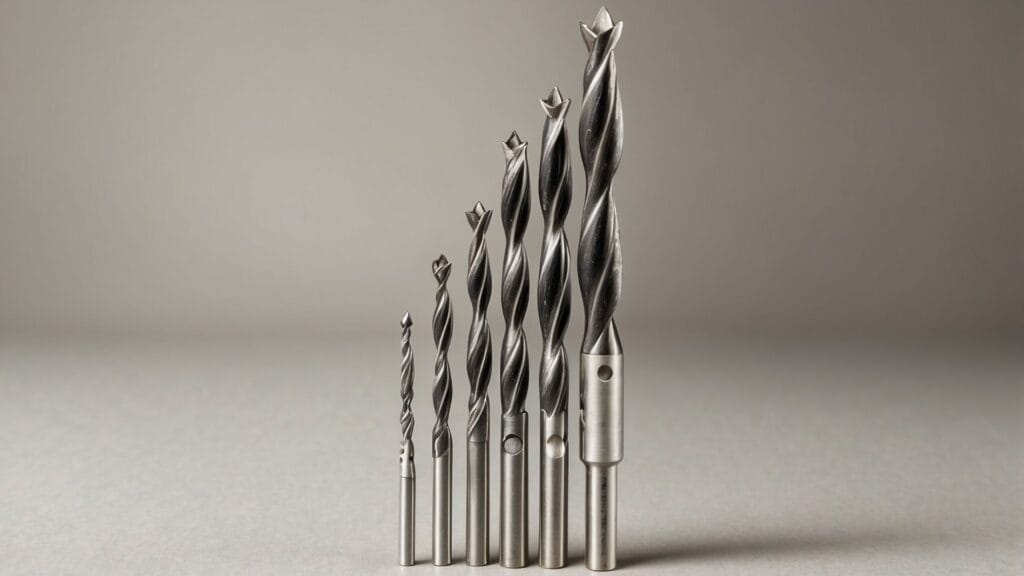
Brad-Point Bits: These are the bits developed for accurate drilling of wood. They have a sharp center point, responsible for preventing wandering during the process. Because of that, they can be used for tasks where accuracy and clean entry points are required.
Materials Used In Making Drill Bits
The materials used in making drill bits are carefully selected to ensure durability and performance. High-speed steel (HSS) is a common choice due to its versatility and affordability. For tougher jobs, cobalt steel and carbide are preferred.
The materials used in the construction of drill bits significantly influence their performance and durability. High-Speed Steel (HSS) is a common choice due to its versatility and affordability, making it suitable for general-purpose drilling. HSS bits offer good resistance to heat and wear, allowing them to effectively handle various materials, including wood, metal, and plastic. On the other hand, Cobalt Steel bits provide enhanced durability, making them ideal for drilling harder metals. The addition of cobalt improves heat resistance and strength, enabling prolonged use in challenging applications.
For even tougher tasks, Carbide drill bits are known for their extreme durability, specifically designed to drill through very hard materials like masonry and ceramics. Their hardness allows them to maintain sharp cutting edges, ensuring consistent performance. Additionally, many drill bits feature protective coatings such as titanium or black oxide, which enhance durability and reduce friction during drilling. These coatings not only improve the lifespan of the bits but also facilitate smoother operation, making them essential for achieving optimal results in various projects.
How To Choose The Right Drill Bits Correctly?
Choosing the right drill bit can be a bit overwhelming, especially with so many options available.For wood, a brad-point or Forstner bit might be ideal. For metal, an HSS or cobalt bit is a better choice. And for masonry, you’ll need a carbide-tipped bit.
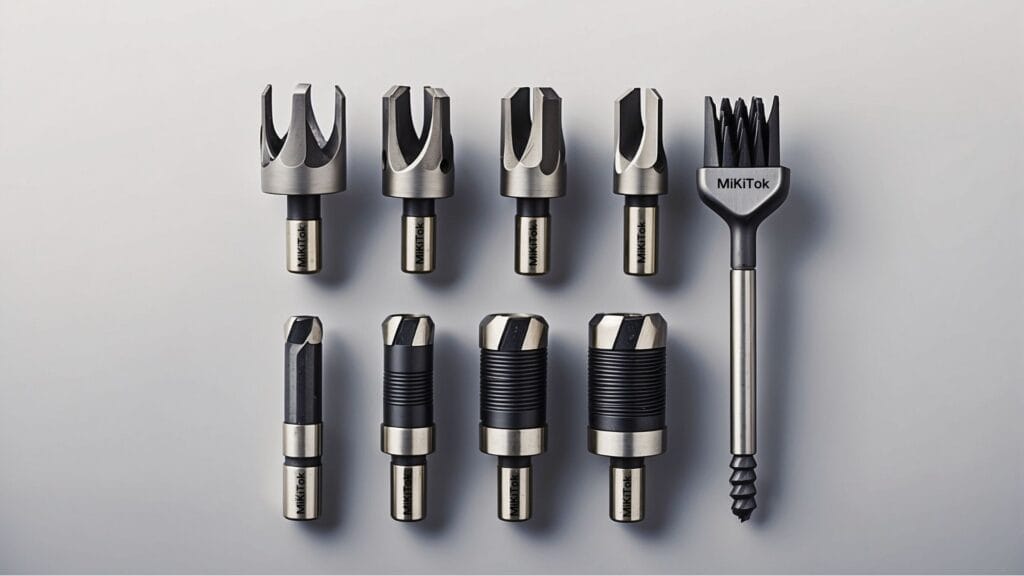
Choosing the right drill bits is essential for achieving optimal results in your projects. Material Compatibility is a key factor; ensure that the bit you select is suitable for the material you’re working with. Different materials, such as wood, metal, or masonry, require specific types of drill bits for effective drilling.
Next, consider the Bit Size and Type. Selecting the correct size and type for the job is crucial, as using the wrong bit can lead to poor performance or damage to the material. Additionally, prioritize Quality by investing in high-quality bits, which can enhance performance and durability, ultimately saving you time and money in the long run. Lastly, evaluate your Project Requirements to consider the specific needs of your task. Understanding these factors will help you make informed decisions and ensure successful outcomes in your drilling projects.
How To Properly Maintain Drill Bits?
Proper maintenance is key to ensuring the longevity of your drill bits. After each use, clean the bits to remove any debris or residue.Proper maintenance is key to ensuring the longevity of your drill bits. After each use, clean the bits to remove any debris or residue. Regularly inspect them for signs of wear and tear, and sharpen or replace them as needed.
Maintaining your drill bits is essential for ensuring their longevity and optimal performance. Start with Cleaning: after each use, thoroughly clean the bits to remove any debris and residue. This prevents buildup that can affect their efficiency and effectiveness. Next, conduct regular Inspection to check for signs of wear and tear, such as dullness or damage. If you notice any issues, consider Sharpening the bits as needed to maintain their cutting performance. Properly sharpened bits will drill more efficiently and reduce strain on your equipment.
Additionally, when bits become excessively worn, it’s important to Replace them to ensure optimal performance. Using worn-out bits can lead to poor results and potentially damage your materials. Lastly, ensure proper Storage by keeping bits in a dry, protected place to prevent rust and damage. By following these maintenance practices, you can significantly extend the lifespan of your drill bits and enhance your overall drilling experience.
Conclusion
Drill bits are essential tools that play a crucial role in a wide range of applications. From their composition and uses to the different types and materials, understanding drill bits can help you make informed decisions and improve your work efficiency. By choosing the right bits and maintaining them properly, you’ll ensure that your drilling tasks are smooth, precise, and successful. So, the next time you reach for a drill bit, you’ll know exactly what to look for and how to keep it in top shape.
Final Thoughts
As a professional with 15 years of CNC machining service experience, I understand the critical role that drill bits play in achieving precision and efficiency in machining. The right drill bit can significantly impact the quality of the finished product, whether it’s for woodworking, metalworking, or masonry. For instance, using the appropriate carbide drill bit for tough materials can prevent wear and ensure clean cuts, which is essential in aerospace applications we’ve handled at Ultirapid. We’ve consistently seen improved results and reduced cycle times when using high-quality bits tailored to specific tasks. If you’re looking for reliable CNC machining services, Ultirapid specializes in providing custom solutions that meet your precise needs, ensuring optimal performance and high-quality outputs.
Faqs
What Drill Bit Stays Sharp The Longest?
Carbide drill bits generally stay sharp the longest due to their extreme hardness and durability. They are ideal for drilling through very hard materials like masonry and ceramics. While they may be more expensive upfront, their longevity and performance can make them a cost-effective choice over time. Additionally, cobalt steel bits also offer good sharpness retention for harder metals, making them a solid option for various applications.
Which Is Better For Hard Material, Cobalt Or Carbide?
For drilling hard materials, carbide drill bits are generally better than cobalt bits. Carbide offers extreme hardness and maintains sharpness under high stress, making it ideal for materials like masonry, ceramics, and hardened steel. While cobalt bits perform well for hard metals, they may not last as long in extremely tough applications. Therefore, when frequently working with very hard materials, carbide bits are the preferred choice.
Which Drill Bit Is Best For Metal?
The best drill bits for metal are typically cobalt steel bits and high-speed steel (HSS) bits with titanium or black oxide coatings. Cobalt bits excel in drilling harder metals due to their heat resistance, making them ideal for tough materials like stainless steel. HSS bits are versatile and suitable for various metals, while coated options enhance durability and reduce friction for improved performance.


