
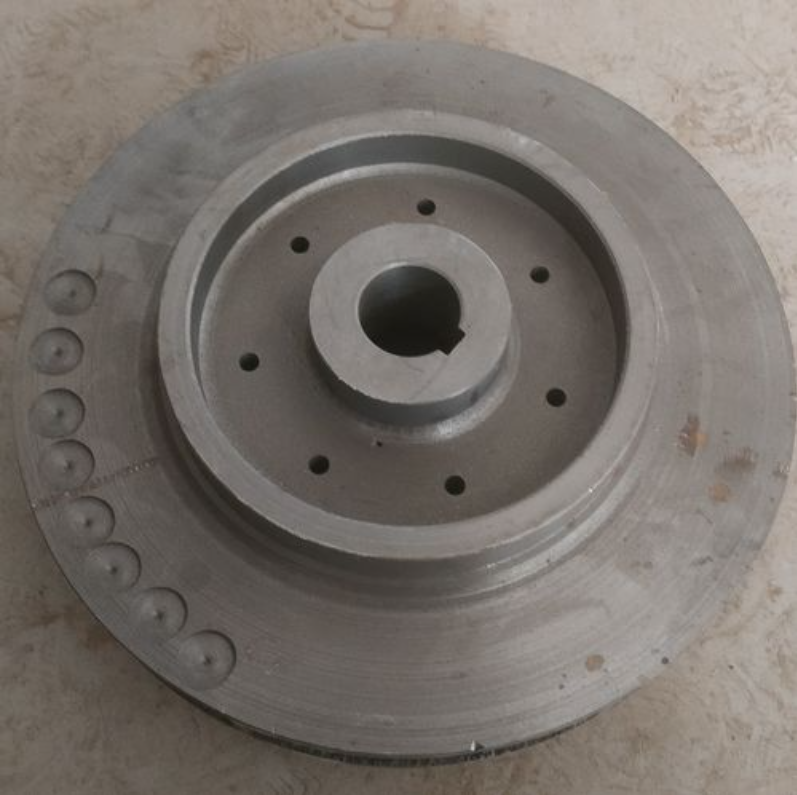
In the heart of industrial machinery, cast iron impellers stand as unsung heroes, delivering unmatched durability and performance. From water pumps to heavy-duty turbines, these robust components drive efficiency across industries. Join us as we explore their unique properties, applications, and why they remain a cornerstone of engineering excellence.
What Are Cast Iron Impellers?
Cast iron impellers are vital rotating components in pumps, turbines, and compressors, crafted from cast iron for exceptional strength. Renowned for their durability and cost-effectiveness, they power critical systems worldwide. Curious about what makes them indispensable? Dive into their composition, functionality, and why they’re a go-to choice for engineers.
Cast iron, an alloy of iron, carbon, and silicon, is prized for its robustness and versatility. Impellers made from this material are designed to move fluids or gases efficiently, withstanding high pressures and abrasive conditions. Their ability to handle heavy loads makes them ideal for applications like water treatment, oil and gas, and industrial manufacturing. Cast iron’s affordability and ease of casting allow for intricate impeller designs, optimizing fluid dynamics while keeping costs low. Available in variants like gray cast iron or ductile iron, these impellers cater to diverse operational needs.
The Science Behind Cast Iron’s Strength
Why does cast iron dominate in impeller manufacturing? Its unique metallurgical properties, combining strength and wear resistance, make it a standout material. This section uncovers the science behind cast iron impellers, revealing how their composition delivers reliability in demanding environments.
Cast iron’s high carbon content (2-4%) gives it exceptional hardness and compressive strength, ideal for impellers facing high mechanical stress. Gray cast iron, with its graphite flakes, offers excellent vibration damping and thermal conductivity, reducing wear in dynamic systems. Ductile cast iron, with spherical graphite, provides enhanced toughness and fatigue resistance. These properties ensure cast iron impellers perform reliably under extreme conditions, such as high-pressure fluid flows or abrasive environments, making them a trusted choice across industries.
Key Benefits Of Cast Iron Impellers
Cast iron impellers remain a popular choice in many industrial applications due to their strength, durability, and cost-effectiveness. While newer materials like titanium and magnesium are gaining attention, cast iron still offers unmatched benefits in specific environments, especially where mechanical wear, affordability, and availability are top priorities.
Exceptional Wear Resistance
Cast iron is renowned for its ability to withstand high levels of mechanical wear, making it ideal for pumping abrasive fluids such as slurry, sewage, or sandy water. Its dense, rigid structure holds up against erosion better than many lightweight alloys, reducing the frequency of part replacement.
High Mechanical Strength
With excellent tensile and compressive strength, cast iron impellers are well-suited for heavy-duty operations under high pressure. Their rigidity ensures they retain shape and function even under significant operational stress—making them ideal for large-scale pumping systems and industrial turbines.
Superior Vibration Dampening
Cast iron naturally absorbs vibration and noise, contributing to smoother and quieter operation in industrial settings. This makes cast iron impellers a top choice in facilities where noise reduction is a priority and equipment stability is crucial.
Cost Efficiency
Compared to exotic alloys like titanium or magnesium, cast iron is inexpensive and widely available. Its affordability makes it attractive for budget-conscious projects, especially in applications where the operating environment isn’t highly corrosive or weight-sensitive.
Easy Machinability And Availability
Cast iron is relatively easy to machine and can be manufactured into complex shapes without significant cost increases. Its long history in manufacturing also means that parts and replacements are readily available across global markets.
Excellent Heat Retention
Cast iron maintains its mechanical properties under high-temperature conditions. This thermal stability makes cast iron impellers effective in systems where temperature fluctuations are common, like in steam or hot water circulation.
Compatibility With A Range of Fluids
Cast iron impellers can handle a wide variety of non-corrosive and mildly corrosive fluids. While not ideal for strong acids or saline solutions, they perform reliably in neutral pH and oil-based environments.
Applications Of Cast Iron Impellers Across Industries
Cast iron impellers are widely used across multiple industries due to their durability, affordability, and adaptability to high-load conditions. Their ability to handle abrasive and viscous fluids with minimal wear makes them a dependable choice in industrial pumping and mechanical systems where cost-efficiency and toughness are essential.
Wastewater Treatment
In sewage and wastewater plants, impellers must manage fluids containing sand, grit, and other particulates. Cast iron impellers excel in these harsh environments due to their abrasion resistance and mechanical strength. They are commonly found in centrifugal and submersible pumps used for sludge handling and grit removal.
Agricultural Irrigation Systems
Cast iron impellers are integral to pumps used in agricultural irrigation. Their resilience to wear allows them to efficiently transfer water from sources like canals or reservoirs, often mixed with silt or organic matter. Their durability ensures long service life in remote locations with minimal maintenance support.
Chemical Processing
While cast iron is not suitable for highly corrosive chemicals, it performs reliably in chemical processing systems dealing with neutral or mildly alkaline fluids. Industries handling oils, lubricants, or organic solvents often utilize cast iron impellers for reliable fluid movement under consistent operating conditions.
HVAC And Building Services
Heating, ventilation, and air conditioning systems frequently use cast iron impellers in circulation pumps. They provide excellent thermal stability and vibration dampening, which are critical for the smooth operation of boilers, chillers, and hot water systems in commercial and residential buildings.
Mining And Slurry Transport
Mining operations often involve pumping abrasive slurries containing rocks, minerals, and dust. Cast iron impellers are favored for their resistance to erosion and their ability to operate under high pressures. They are used in dewatering systems, ore transport pipelines, and sediment handling stations.
Fire Protection Systems
Due to their robustness and reliability, cast iron impellers are commonly used in fire pump systems. These systems must be ready to perform under extreme pressure at a moment’s notice, and cast iron’s strength makes it a dependable material for high-capacity centrifugal fire pumps.
Manufacturing Cast Iron Impellers
Manufacturing cast iron impellers involves precision engineering, metallurgical expertise, and strict quality control. The process must ensure durability, structural integrity, and accurate geometry to meet industrial demands. Understanding each step—from pattern design to final machining—highlights why cast iron remains a trusted material in high-performance impeller production.
Pattern Design And Molding
The manufacturing process begins with designing a pattern, typically made from wood, plastic, or aluminum. This pattern forms the shape of the impeller and accounts for shrinkage during cooling. It is used to create a mold cavity in sand or metal dies, depending on whether sand casting or die casting is chosen.
- Sand Casting: Preferred for low-to-medium volume production.
- Die Casting: Used for higher precision and large-scale runs.
Melting And Alloying
Raw materials, including pig iron, scrap iron, and selected alloying elements, are melted in induction or cupola furnaces. The chemical composition is carefully monitored and adjusted to achieve desired properties such as hardness, tensile strength, and resistance to wear.
Common cast iron types for impellers include:
- Gray cast iron (for vibration damping and easy machinability)
- Ductile iron (for improved toughness and fatigue strength)
Pouring And Cooling
Molten metal is poured into the prepared mold cavity. Proper control of pouring temperature and rate is critical to avoid casting defects like porosity or cold shuts. Once filled, the mold is allowed to cool and solidify. Cooling rates are controlled to ensure fine microstructures and minimal internal stresses.
Shakeout And Cleaning
After solidification, the mold is broken away (in sand casting), and the casting is removed. Excess sand and gating systems are cleaned off. The casting then undergoes initial inspection to check for visible surface defects, cracks, or inclusions.
Heat Treatment
Certain cast iron grades may undergo heat treatment to improve mechanical properties. For example, ductile iron impellers might be annealed to increase ductility or normalized to refine grain structure.
Machining And Finishing
Once the casting is cleaned and cooled, it is machined to final dimensions. Critical surfaces such as the shaft bore, impeller vanes, and outer diameters are precision-machined using CNC tools. This step ensures balance, performance, and fit with pump housings or mechanical systems.
Finishing steps may include:
- Surface grinding
- Drilling or tapping for fasteners
- Balancing to reduce vibration
- Painting or coating for corrosion resistance
Challenges And Solutions In Using Cast Iron Impellers
Despite their strengths, cast iron impellers face challenges like corrosion and weight. Innovative solutions have made them more versatile than ever. This section explores the hurdles and how modern engineering overcomes them to maximize cast iron’s potential.
Cast iron’s susceptibility to corrosion in wet environments is addressed with coatings like epoxy or galvanizing, enhancing durability. Its heavier weight compared to materials like aluminum is offset by design optimizations that prioritize strength over mass. Brittleness in gray cast iron is mitigated by using ductile iron for applications requiring flexibility. These advancements ensure cast iron impellers remain reliable and cost-effective in challenging conditions.
Comparing Cast Iron Impellers To Other Materials
Material selection is one of the most critical decisions when designing or replacing an impeller. Cast iron remains a reliable choice, but depending on performance demands, other materials—like stainless steel, bronze, plastic, and modern alloys—may offer unique benefits.
Cast Iron Vs. Stainless Steel
Cast iron and stainless steel impellers serve different needs. Stainless steel offers superior tensile strength, corrosion resistance, and heat tolerance, making it ideal for chemical plants, marine environments, and food processing systems. However, cast iron is significantly more cost-effective and excels in non-corrosive, high-wear applications such as wastewater treatment, HVAC systems, and mining. While stainless steel performs better in aggressive conditions, cast iron remains a durable and economical choice for many industrial operations where corrosion is not a major concern.
Cast Iron Vs. Bronze
Bronze impellers offer good corrosion resistance, especially in saltwater or mildly acidic environments, making them ideal for marine applications and potable water systems. In contrast, cast iron, without protective coatings, can rust and corrode under these conditions. However, cast iron is harder and more wear-resistant, which makes it better suited for handling abrasive materials such as slurry or grit-laden water. While bronze is more expensive and harder to machine—leading to higher manufacturing costs and longer production times—its corrosion resistance often justifies the investment in specific applications. Therefore, cast iron is typically preferred for abrasive environments, whereas bronze is the best fit for corrosive or sensitive water conditions.
Cast Iron Vs. Plastic Impellers
Plastic impellers are much lighter than cast iron, which helps reduce load and energy consumption, making them ideal for lightweight systems where motor and bearing stress must be minimized. Additionally, plastic offers excellent chemical resistance, especially against acids and alkalis, whereas cast iron has limited corrosion resistance unless treated with protective coatings. However, plastic impellers can warp or crack under mechanical stress or high temperatures, while cast iron maintains its structural integrity under such conditions. As a result, plastic impellers are best suited for low-pressure chemical pumps, while cast iron impellers are preferred for heavy-duty systems handling abrasive fluids.
Cast Iron Vs. Titanium
Titanium excels in both corrosion resistance and strength-to-weight ratio, making it ideal for high-end applications such as aerospace, high-speed pumps, and handling corrosive chemicals. However, titanium is one of the most expensive impeller materials, both in raw cost and machining expenses. Therefore, cast iron is recommended where cost and wear resistance are more important than corrosion resistance, while titanium should be chosen when performance is critical and budget allows.
Cast Iron Vs. Magnesium Alloys
Magnesium alloys are extremely lightweight, providing enhanced energy efficiency in rotating systems, whereas cast iron is much heavier, increasing inertia and operational costs. However, magnesium alloys require special coatings to achieve corrosion resistance and mechanical strength comparable to cast iron. Consequently, magnesium is best suited for aerospace and automotive pumps where weight savings are critical, while cast iron remains the preferred choice for industrial and municipal water systems due to its durability and wear resistance.
Future Trends In Cast Iron Impeller Technology
What’s next for cast iron impellers? As industries evolve, these components are adapting with innovative designs and materials. This section explores emerging trends that promise to enhance the performance and sustainability of cast iron impellers in the years ahead.
Advancements in alloying are improving cast iron’s corrosion resistance and strength, with new compositions like high-chromium cast iron gaining traction. Additive manufacturing is enabling complex impeller geometries for optimized fluid dynamics. Smart impellers with embedded sensors for real-time monitoring are emerging, enhancing efficiency and predictive maintenance. Sustainable casting processes are also reducing energy use, aligning cast iron impellers with eco-friendly industrial goals.
Conclusion
Cast iron impellers remain a cornerstone of industrial engineering, blending durability, affordability, and versatility. From powering water treatment plants to enhancing marine systems, their impact is undeniable. With advancements in materials, manufacturing, and sustainability, cast iron impellers are poised to evolve, meeting the demands of modern industries while supporting eco-friendly goals. Whether you’re an engineer or industry professional, these components offer reliable solutions for a dynamic future. Explore their potential and power your systems with confidence.


