
Custom Ceramic CNC Machining
China Top-Grade Precise Ceramic CNC Machining Service exceeds expectations.
- offering competitive pricing
- ensuring quick turnaround times
- coming with material certification
- supporting global shipping
Start Your Custom Ceramic CNC Machining Project
step | stp | stl | igs | iges | obj
All uploads are secure and confidential.

Fast Delivery
3-5 Days

Low MOQ
Start From MOQ=1

DFM
Best Suggestions For You

Materials
Offer Wide Range Of Materials
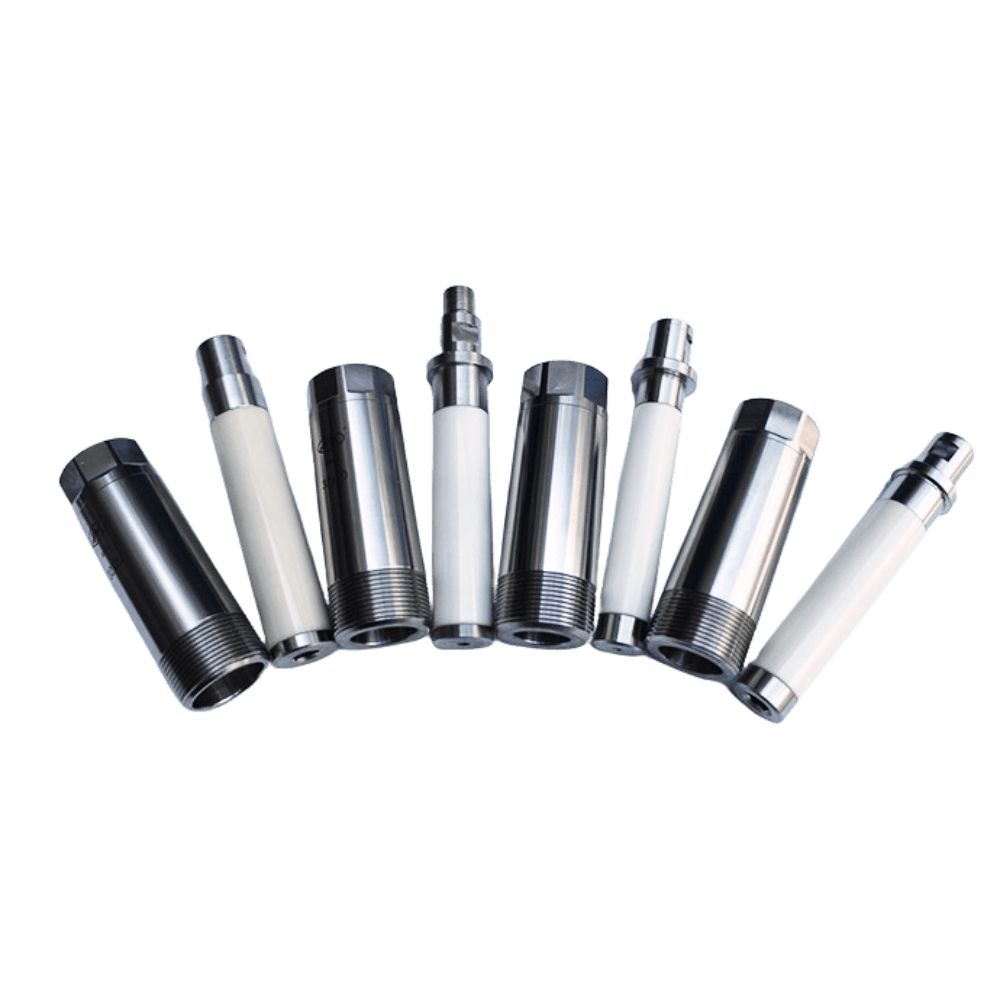
Industrial Ceramic Materials CNC Machining Supplier
Are you looking for a supplier of ceramic components? Our team possesses extensive technical knowledge and advanced equipment, enabling us to meet various complex design requirements. Whether it’s small-batch production or large-scale manufacturing, we offer efficient and reliable services. Additionally, our professional team works closely with you to ensure that every project meets your specifications and expectations.
If you’d like to learn more about our products and services, please feel free to reach out! We look forward to providing you with top-notch ceramic component solutions.
How is Ceramic CNC Machining
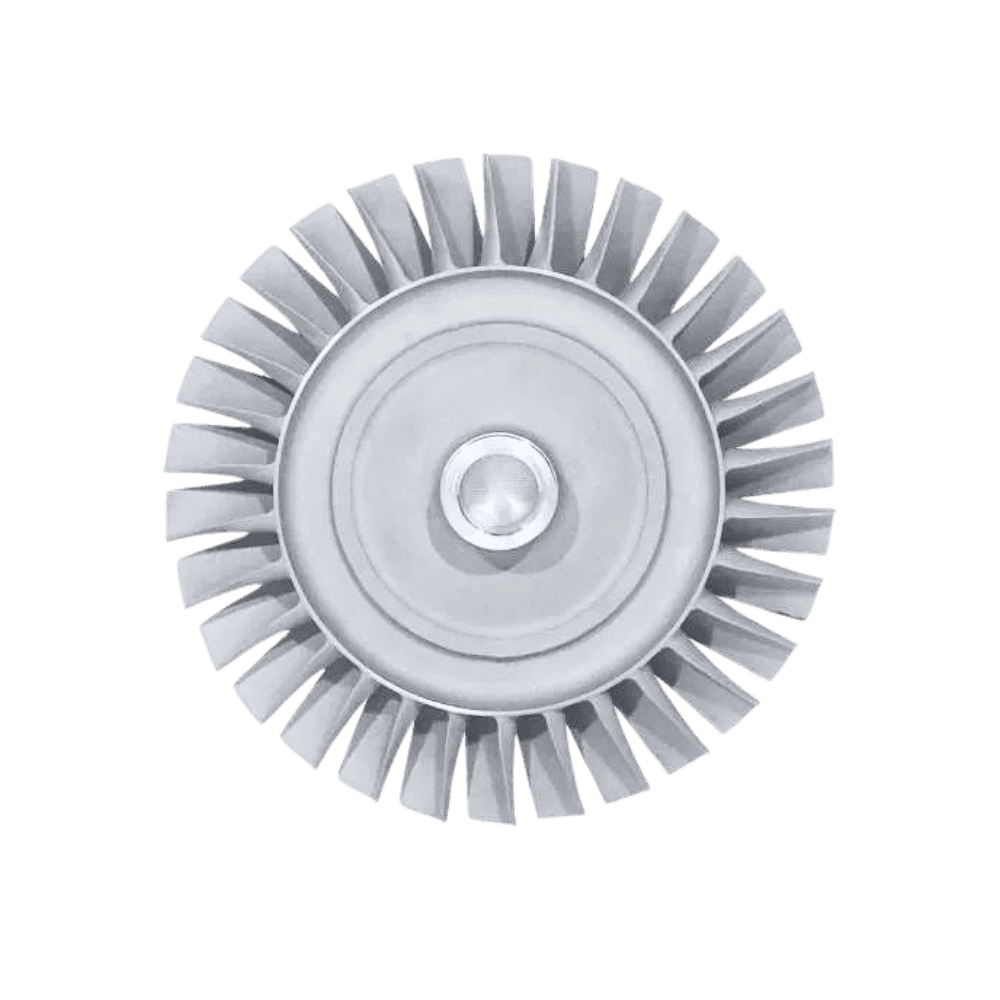
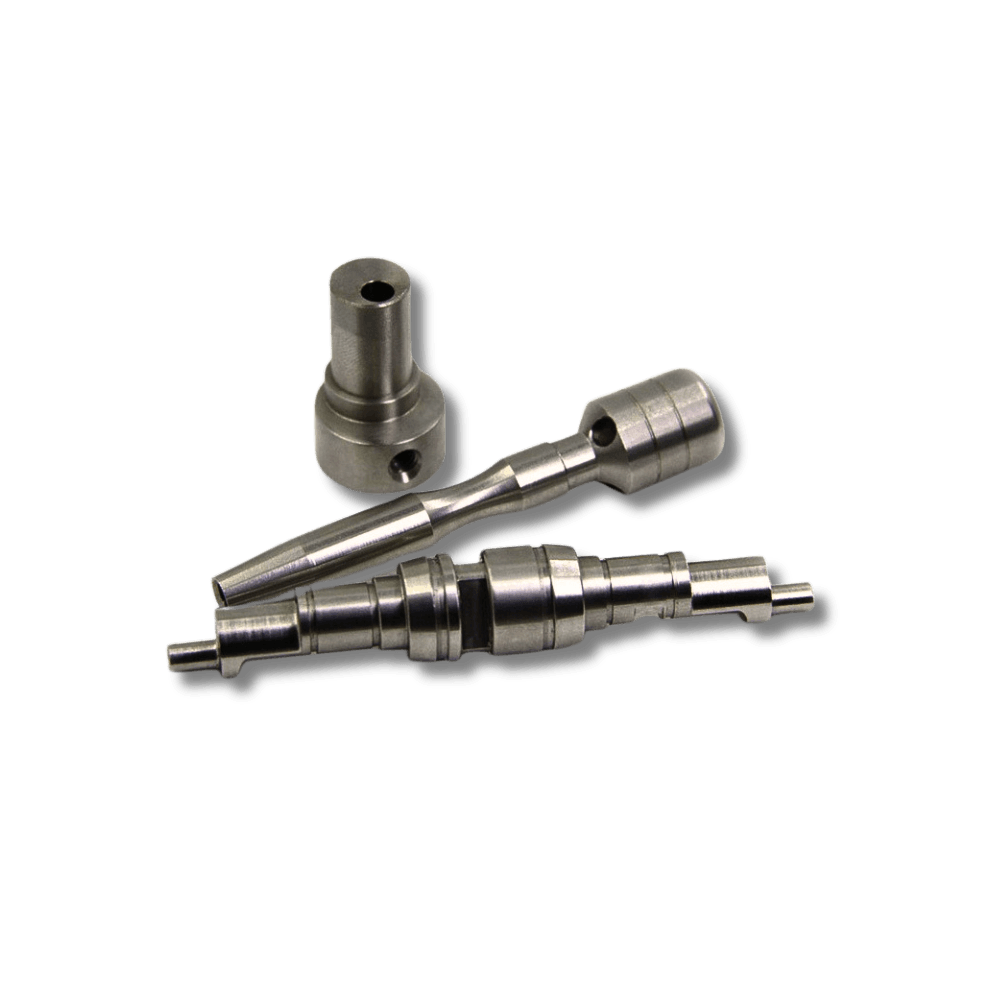
Ceramic CNC Machining is a precision manufacturing process that uses computer-controlled machines to shape ceramic materials like alumina and zirconia. These materials are selected for their durability and resistance, making them ideal for various applications.
The process begins with creating CAD models, which guide CNC machines equipped with diamond tooling in operations such as milling and drilling. This ensures high accuracy and tight tolerances, essential in industries like aerospace and electronics.
Finishing processes, such as polishing, are often applied to enhance the surface quality of the components. Despite challenges posed by the hardness of ceramics, advancements in technology have enabled efficient production of intricate parts.
What is the Characteristics of ceramic material

High Strength & Hardness
Ceramics are extremely hard, which allows them to effectively resist scratching and wear.

Chemical Inertness
Ceramic materials generally exhibit excellent resistance to many chemicals, reducing the risk of corrosion and reactions.

High Temperature Resistance
Ceramics can withstand high temperatures without melting

Low Thermal Expansion Coefficient
Ceramics typically have a low thermal expansion coefficient, which means they undergo minimal deformation with temperature changes.
Industrial Ceramics Comparison
| Ceramic Type | Mechanical Properties | Thermal Properties | Chemical Properties | Application Areas | Cost | Ease of CNC Machining | Specific Case Applications |
|---|---|---|---|---|---|---|---|
| Alumina | High | Good | Excellent | Electrical insulators, wear-resistant components | Moderate | Challenging | High-voltage power transmission systems |
| Zirconia | Very High | Moderate | Good | Dental implants, cutting tools | High | Moderate | Restorative dentistry, precision cutting applications |
| Silicon Carbide | Extremely High | Excellent | Excellent | High-performance applications, automotive | Very High | Tough | Ceramic brake discs for sports cars |
| Silicon Nitride | Very High | Good | Strong | Aerospace, high-speed applications | High | Challenging | Ball bearings for high-speed and precision machinery |
| Cordierite | Moderate | Excellent | Good | Automotive, thermal shock resistant parts | Moderate | Easier | Automotive catalytic converters, kiln furniture |
| Mullite | Moderate | Good | Excellent | High-temperature applications | Moderate | Easier | Insulating bricks, kiln furniture in furnaces |
| Steatite | Moderate | Good | Good | Electrical insulators, high-frequency applications | Low | Easier | Insulators for high-frequency antennas |
Settle Your Core Parts Now!
Get 3-day standard lead times on simple parts between 10 mm and 200 mm. Upload your part to see if it’s eligible.

Upload Project Design
To start, select the manufacturing process and upload your design files


Perform Design Analysis
With our AI system, we will provide you with a machining & price report in a short time.


Confirm Quote & Production
After a quote is accepted, we start on your parts. Various finishing options are available


Shipping & Delivery
Thanks to our advanced manufacturing capabilities, we produce parts in one day.
Important Parameters Of Different Types Of Ceramics
| Ceramic Type | Density (g/cm³) | Hardness (Mohs) | Thermal Conductivity (W/m·K) | Dielectric Constant | Chemical Stability |
|---|---|---|---|---|---|
| Earthenware | 2.0-2.5 | 5-7 | 0.5-2 | 5-12 | Moderate |
| High-Alumina | 2.5-3.0 | 7-9 | 20-30 | 6-12 | Excellent |
| Silicate Ceramics | 2.0-2.6 | 5-7 | 1-5 | 4-10 | Moderate |
| Alumina Ceramics | 3.7-4.0 | 8-9 | 20-30 | 9-11 | Excellent |
| Silicon Carbide | 3.1-3.2 | 9.5 | 80-120 | 5-9 | Outstanding |
| Zirconia Ceramics | 5.6-6.1 | 8-9 | 2-3 | 20-30 | Excellent |
| Ceramic Matrix Composites | 2.5-3.0 | 6-9 | 10-20 | 8-12 | Excellent |
Frequently Ask Questions
Which is the best process for ceramics machining?
The best process for ceramic machining often depends on the specific application,but methods like diamond grinding and laser machining are commonly regarded as effective for achieving precision and minimizing damage.Diamond grinding is suitable for precision machining, while laser machining is suitable for cutting complex shapes and fine details.
Are ceramics difficult to machine?
It presents significant challenges during machining, as the hardness and brittleness of the material can lead to cracking and chipping.
Can ceramics be machined with EDM?
Ceramics can be machined using Electrical Discharge Machining (EDM), especially for electrically conductive ceramic materials. EDM is effective for creating complex shapes and fine details without causing mechanical stress, making it suitable for certain ceramic applications.
What are the disadvantages of ceramic?
The disadvantages of ceramics include their brittleness, which makes them prone to cracking and chipping, and their difficulty in machining due to high hardness. They can also be more expensive than some metals and may have lower toughness and impact resistance, limiting their use in certain applications. Additionally, ceramics can be sensitive to thermal shock.
What is CNC ceramics machining?
CNC ceramics machining refers to the use of Computer Numerical Control (CNC) technology to precisely cut, grind, or shape ceramic materials. This process allows for high precision and repeatability, making it ideal for creating complex geometries and fine features in ceramics while minimizing human error. It typically involves specialized tools and techniques suited for the hardness and brittleness of ceramics.


