

Tool design bridges the chasm from creativity to practical production in manufacturing. Whether in transforming raw materials into finished products or in optimizing efficiency on the production line, quality tool design is an essential aspect. A well-designed tool improves not only production efficiency but also greatly enhances the quality of the finished products while reducing production costs.
What is sad about all this is that during the design of tools, many manufacturers often overlook the vital details that again result in errors and waste during the production process. It is, therefore, very important to understand tool design fundamentals, commonly made design mistakes, and things that should be factored in as a matter of priority at the design stage to ensure a hitch-free production process.
The key aspects of tool design are discussed in this guide, which helps you understand how to adjust your designs to precise production needs. Whether you’re a fresher or an experienced engineer, here’s an article on tool design that will be of great value to you in gaining better efficiency and results in the manufacturing process.
What Is Manufacturing Tooling?
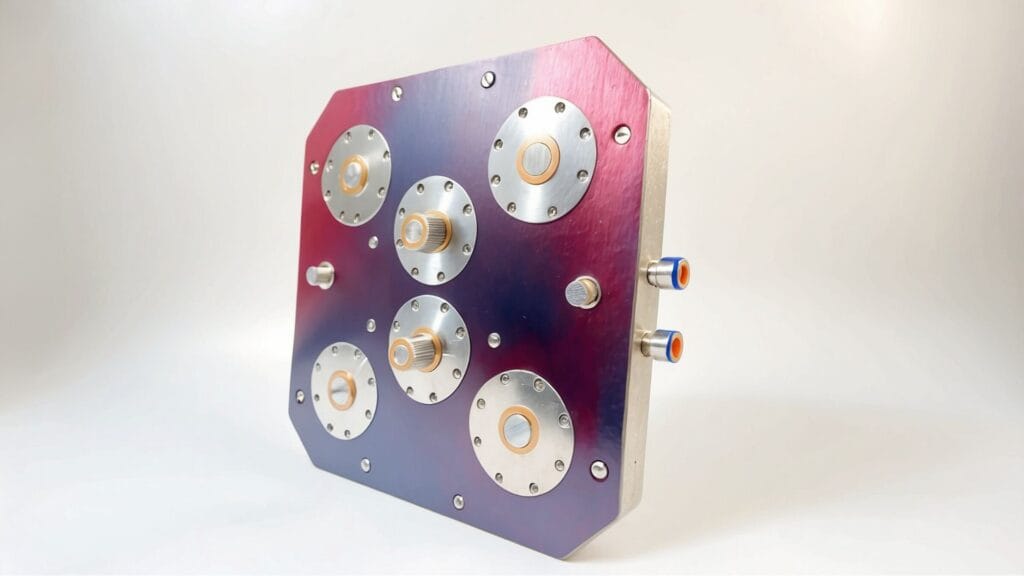
Manufacturing tooling includes but is not limited to specialized tools, jigs, fixtures, molds, and dies necessary for the production process in converting raw materials into finished parts. These tools are needed for precision, consistency, and efficient operation during manufacturing. Examples of manufacturing tooling include plastic parts injection molds, cutting tools, and stamping or forging dies used in shaping metal. Each kind of tooling has its very important role to perform in the manufacturing processes.
Tooling at manufacturing should be able to allow the mass production of the parts with consistency, quality, and at affordable costs. Proper tooling can make big differences in the quality of the products, reduction of waste, and optimization of efficiency in production. Selection of tooling depends on what method of manufacturing is being used because various processes-machining, casting, or injection molding-rely on different types of tools. In the end, manufacturing tooling offers a proper way to get reliable production results and also meets high industry standards.
Why Is Tool Design Important In Manufacturing?

Tool design plays a very crucial role in manufacturing as it has an immediate impact on product quality, production efficiency, and cost-effectiveness. A well-designed tool simply means consistency in dimension, closer tolerances, and smooth surface finish for all parts, which ensure the minimum defects and scrap. Ultimately, high-quality products with a most reliable production process will result. It minimizes production time to the greatest possible factor, reduces cycle times, hence resulting in higher throughput, increasing all-round efficiency and productivity.
Besides that, tool design plays an important role in cost reduction. Although the initial investments in high-class tooling are quite great, the long-term savings from reduced scrap, quicker production cycles, and reduced rework make it cost-effective. Ergonomically designed tools will also improve operator safety through reduction of fatigue and risks of injury. Besides, effective design of tools supports the process of Design for Manufacturing; thus, it helps in the identification and resolution of manufacturability issues early, which prevents costly design changes later, hence giving a competitive advantage in speed, cost, and quality.
Key Considerations In Tooling Design
Designing the manufacturing tools themselves has a number of different considerations to optimize this process.
Several important factors are to be considered in the design of tooling so that efficiency and quality are achieved during a production. Production volume determines the type of tooling applied. High-volume production has to be done with solid, high-precision tools, while low-volume productions quite often can employ less complicated, less expensive tooling. Material selection will depend on durability, wear resistance, thermal stability, and compatibility with the process used during manufacturing. The tooling must maintain consistent tolerances during a production run.
The tooling design should be compatible with the selected manufacturing process: injection molding, stamping, or machining. Lead time will need to be minimized in order to accelerate the production timeline. Tool costs must be considered to strike a balance between the initial investment against long-term savings from the productivity of production. Further, incorporation of ergonomics into design would improve operators’ safety and comfort. Lastly, DFM makes design engineers communicate with manufacturing teams for early identification of manufacturability issues so as to avoid costly changes later in the process.
Types Of Manufacturing Tools
There are several types of tools used in manufacturing, each designed for specific processes and materials.
Cutting Tools
These are the drills, end mills, reamers, taps, dies, and other tools used for the subtractive manufacturing process, such as machining. They chip away material from a workpiece to achieve the desired shape and size with the right finish.
Molds And Dies
Molds and dies have been realized to be important in methods like casting, forging, stamping, and injection molding. Injection molds are particularly very important for high-volume production of plastic because one is able to get complicated parts with great accuracy.
Jigs And Fixtures
Jigs and fixtures serve as tools used to fasten and guide workpieces during operations of machining and assembly. Ensuring that position and arrangement are correct, jigs and fixtures enhance both precision and repeatability of manufacturing.
Welding Tools
Arc welding, spot welding, and several other welding techniques make use of different welding tools that join metal parts by melting and fusing them together.
Assembly Tools
The hand-operated and electric tools and robotic systems used to fasten, join, and assemble the parts are needed for making certain that all the components will go together precisely and in a timely manner.
Quality control processes include measurement and inspection, which can be done using tools like calipers, micrometers, and CMM machines. These tools are so crucial to ensure that manufactured parts do meet exact tolerances and specifications.
Basic Features Of A Manufacturing Tool
A good manufacturing tool should possess certain features to ensure effectiveness. Manufacturing tools are designed with various key features that ensure efficiency, precision, and durability in production environments. Durability is very important, especially in high-volume production settings where the tools experience continuous use. They have to be able to put up with wear and tear for a certainty of performance continuity over time, reducing frequency of replacement. That is where precision comes in, for a tool working in a production environment must make the parts within tight tolerances and specifications time after time, if quality and uniformity are to be attained.
Besides that, it should have convenience for smooth operations. Convenience in use, maintenance, and adjustment for changes in the volume of production. In other instances, it may require versatility to enable the tool to perform varied material processing or to manufacture different products using minimum changes. Lastly, efficiency should be taken into consideration. It follows, therefore, that manufacturing tools should minimize downtime and maximize throughput at low operational cost-the production process should be timely and cost-effective. A combination of such features results in the optimized performance of the manufacturing plant.
Tooling Design Errors And How To Optimize Them
Success and further improvement will be promised only by the continued evaluation and enhancement of the tooling design processes a manufacturer employs. New technological initiatives along with several material-related improvements have opened a scope for optimizing tooling designs, thereby offering enhanced efficiency and cost savings. Design engineers using contemporary tools like CAD and CAM can make changes with accuracy and also accommodate the changing production requirements with ease.

Another way tooling design can be optimized is through the use of additive manufacturing technologies, such as 3-D printing. This enables rapid prototyping of the tools and parts for immediate testing and modification actions before engaging in a final production run. In this approach, it saves time and money by finding out potential issues earlier in the design phase and improves an overall design before it gets to full-scale manufacturing.
Similarly, sustainability in tooling design should also be one of the key considerations no manufacturer can afford to forget. This may involve picking the tools made of friendly environmental materials and putting an emphasis on designs that will result in minimal waste, energy use, and emission at the time of production. By working on sustainable tooling-aside from contributing to environmental protection-manufacturers also raise their brand reputation and appeal to customers who believe in eco-friendly practices.
Conclusion
In other words, tooling design bears on the very hub of manufacturing. Tooling design involves cautious planning and collaboration that necessitate continuous optimization to arrive at efficient and cost-effective tools. The hitches that normally face manufacturers in developing their tooling designs concern tool costs, volume of production, lead time, and design for manufacturing. Manufacturers can make appropriate design decisions that help them increase greatly in efficient production and reduce errors and production of quality products by choosing appropriate material, applying advanced technologies, and employing sustainable practices.
Final Thoughts
As a professional with 15 years of experience in CNC machining service and manufacturing, the importance of effective tool design cannot be overstated. A well-designed tool is crucial in achieving high-quality, precise, and cost-effective production, especially when dealing with complex components in industries like aerospace, automotive, or medical. For example, when Ultirapid was tasked with machining high-precision titanium parts for a medical equipment client, our team meticulously selected cutting tools that could withstand the material’s toughness while maintaining tight tolerances. This minimized scrap and rework, improving both cost-efficiency and production speed.
Our extensive experience in tool design and CNC machining allows us to tailor tools to specific client needs, optimizing the manufacturing process. We carefully balance durability, precision, and versatility in tool design, ensuring reliable performance and the best outcomes for our clients. For companies looking to streamline their production while maintaining quality, Ultirapid’s expert tool design services are an invaluable asset.
Faqs
What Is The Rapid Tooling?
Rapid tooling is a fast method for creating manufacturing tools like molds, dies, or fixtures using technologies such as 3D printing, CNC machining, or casting. It significantly reduces production time and cost compared to traditional tooling methods, making it ideal for prototypes or low-volume production.
How Much Does Manufacturing Tooling Cost?
The cost of manufacturing tooling varies depending on factors like tool type, material, complexity, and production volume. For example, injection molds can range from $1,000 to $100,000, while CNC machining tools might cost between $500 and $20,000. Rapid tooling for prototypes can be more affordable, ranging from $500 to $5,000.


