
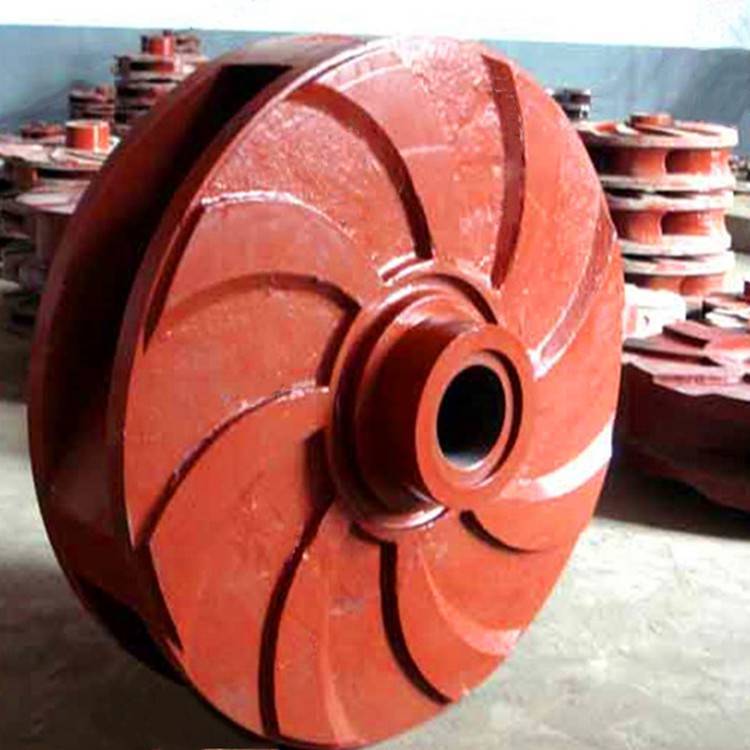
Chemical pump impellers operate in extremely aggressive environments, often exposed to highly corrosive substances that can rapidly degrade ordinary materials. Selecting the right corrosion-resistant materials is crucial not only to extend the impeller’s service life but also to ensure operational reliability and safety. This decision requires a comprehensive understanding of the corrosive media characteristics, operating conditions, and economic considerations. By carefully analyzing these factors, engineers can optimize material choices to achieve a balance between durability, performance, and cost. This article aims to systematically explore corrosion-resistant material types, their applicable scenarios, and practical selection strategies to guide engineers and designers in chemical pump manufacturing.
Material Selection Criteria: Matching Materials to Challenging Conditions
Selecting the right materials for pump components is crucial to ensure durability, performance, and cost-effectiveness under demanding operating conditions. The choice must carefully balance chemical resistance, mechanical strength, and economic feasibility to meet the diverse challenges posed by the pumping environment.
Medium Characteristics
Pumps handling corrosive media such as acids, bases, and saline solutions require materials with exceptional chemical stability to prevent degradation and failure. Additionally, exposure to abrasive particulates or extreme temperatures can accelerate wear and corrosion, necessitating materials that maintain integrity under such harsh conditions. Selecting materials that resist both chemical attack and physical abrasion is key to extending service life and maintaining reliable operation.
Operating Conditions
High-pressure and high-flow applications impose significant mechanical stresses on pump components, demanding materials with superior strength and fatigue resistance. Environmental factors, including seawater exposure or fluctuating temperatures, further complicate material performance requirements, often necessitating specialized corrosion-resistant alloys or coatings. Materials must also withstand cyclic loading and potential impact without compromising structural integrity.
Economic Balance
While advanced alloys and coatings can offer excellent performance, their cost may be prohibitive for certain applications. Therefore, manufacturers must weigh the benefits of high-performance materials against budget constraints and production scale. A practical material selection strategy involves optimizing the balance between cost, availability, manufacturability, and durability, ensuring the pump meets operational demands without unnecessary expense.
Common Corrosion-Resistant Materials and Their Features
Choosing corrosion-resistant materials is essential for ensuring the longevity and reliability of pump components exposed to harsh chemical and environmental conditions. Various metallic and non-metallic materials, along with advanced surface treatments, offer tailored solutions to meet specific application demands.
Metallic Materials
Stainless Steel is widely favored in pump manufacturing, with types 304 and 316L being common due to their balanced corrosion resistance and affordability. While these steels perform well against general corrosion, they can be susceptible to localized attack such as pitting in high-temperature or chloride-rich environments. For more demanding conditions, Duplex Stainless Steel provides enhanced hardness and wear resistance, making it ideal for seawater applications and aggressive chemical exposure. Titanium Alloys stand out for their superior corrosion resistance, especially in marine and highly oxidative environments, offering long-term durability despite higher costs. Additionally, Bronze and Brass materials exhibit good resistance to seawater corrosion but often come with increased expense. Alloy Steels with high chromium content, such as Cr30A, deliver excellent wear and pitting resistance, making them suitable for abrasive and chemically challenging media.
Non-Metallic Materials
Non-metallic options such as Fluoropolymers (including PFA and PTFE) excel in resisting strong acids and alkalis, proving invaluable in precise chemical handling where metal corrosion is a concern, although they tend to be more costly. Ceramics offer outstanding abrasion resistance and are especially suited for applications involving slurries or particulate-laden fluids where wear is significant. Polymer Composites combine lightweight properties with excellent alkali resistance but generally have limited temperature tolerance, restricting their use in high-heat scenarios.
Surface Treatment Technologies
To further enhance material performance, surface treatment methods are employed. Thermal spraying and laser cladding techniques can significantly improve corrosion and wear resistance by applying protective layers over base metals. Electroplated coatings, such as Teflon, reduce galvanic corrosion and provide a non-stick surface that minimizes fouling and particulate adhesion. These treatments extend component lifespan and improve reliability without the need for costly bulk material upgrades.
Key Influences and Optimization Techniques for Corrosion Protection
Effective corrosion protection is a critical factor in extending the service life and reliability of pump components, especially those operating in aggressive chemical or harsh environmental conditions. Understanding the mechanisms of corrosion and employing targeted optimization techniques can significantly reduce material degradation and operational failures.
Corrosion Mechanisms and Protection
Electrochemical corrosion arises primarily from galvanic interactions between dissimilar metals in contact, which accelerate material degradation. To mitigate this, careful material selection is essential—choosing compatible alloys such as duplex stainless steel helps minimize galvanic potential differences. Additionally, design strategies like electrically isolating components or using protective coatings further reduce corrosion risk. Understanding the electrochemical environment allows engineers to predict and prevent corrosion hotspots, preserving component integrity over time.
Cavitation Resistance
Cavitation, caused by vapor bubble collapse in high-velocity fluid flows, leads to severe localized erosion and surface pitting on impeller blades. Selecting cavitation-resistant materials and applying specialized coatings provide a robust defense against this damage mode. These materials are typically harder and more ductile, able to absorb impact energy without cracking. Integrating cavitation resistance into material and surface treatment choices helps maintain hydraulic efficiency and structural durability.
Design and Fabrication Enhancements
Optimizing blade geometry plays a vital role in minimizing turbulent flow zones that contribute to both corrosion and mechanical wear. Smooth flow paths reduce pressure fluctuations and cavitation risk, enhancing overall pump longevity. Moreover, precise welding and fabrication methods ensure strong, defect-free joints, even in materials that are challenging to cast or machine. Proper fabrication techniques help avoid stress concentrators that can initiate cracks and corrosion fatigue, thus improving component lifespan.
Standards and Regulations
Material selection and corrosion protection strategies must comply with relevant national and international standards, which specify corrosion allowances, testing protocols, and safety margins. Adherence to these regulations guarantees that components meet rigorous durability and safety requirements in their intended service environments. Compliance also facilitates certification and acceptance across global markets, ensuring reliable and predictable pump performance.
Practical Applications and Material Selection Recommendations
Choosing the right materials for pump impellers requires careful consideration of the specific operating environment and the challenges posed by different media. Practical applications often dictate the best-suited materials to ensure optimal performance, durability, and cost-efficiency.
Typical Scenarios
In acidic media, where chemical aggression is high, 316L stainless steel and fluoropolymer impellers are commonly used due to their excellent corrosion resistance and chemical inertness. These materials prevent rapid degradation and maintain pump integrity in strong acid or alkali environments. For marine applications, where saltwater corrosion and biofouling are major concerns, duplex stainless steel and ceramic-coated impellers offer enhanced durability and resistance to pitting and crevice corrosion. In conditions involving high abrasion, such as slurry or particulate-laden fluids, impellers made from high-chrome alloys or ceramic materials provide superior wear resistance, significantly extending service life despite harsh mechanical wear.
Selection Workflow
Material selection begins with a detailed analysis of the corrosive medium, operating temperature, and the presence of abrasive particulates. Understanding these factors helps in narrowing down suitable materials that can withstand chemical attack and mechanical stress. Next, manufacturers must balance cost against performance requirements, often progressing from more economical options like cast iron, to stainless steel, and ultimately to premium materials like titanium for the most demanding applications. Finally, it is essential to validate corrosion resistance through standardized testing methods such as salt spray exposure and accelerated aging trials, ensuring the chosen materials meet the required durability and safety standards before deployment. This systematic approach helps optimize both reliability and cost-effectiveness in pump design.
Conclusion
Selecting the appropriate materials for pump impellers requires a comprehensive approach that takes into account the specific characteristics of the working media, the operating environment, and economic considerations. Materials such as stainless steel, fluoropolymers, and ceramics continue to serve as industry benchmarks due to their proven corrosion resistance and mechanical durability. Additionally, advanced surface treatments like thermal spraying and laser cladding play a crucial role in extending the lifespan of impellers by providing enhanced protection against wear and chemical attack.
Looking ahead, the development of high-performance domestic materials tailored for corrosive environments is gaining momentum, offering alternatives that balance cost and performance more effectively. Furthermore, the integration of AI-driven intelligent material selection systems holds significant promise. These systems can analyze complex operational parameters and material properties to recommend optimized, cost-efficient solutions. Together, these advances are poised to revolutionize corrosion resistance strategies in chemical pump impeller manufacturing, ensuring greater reliability and sustainability in increasingly demanding industrial applications.


