
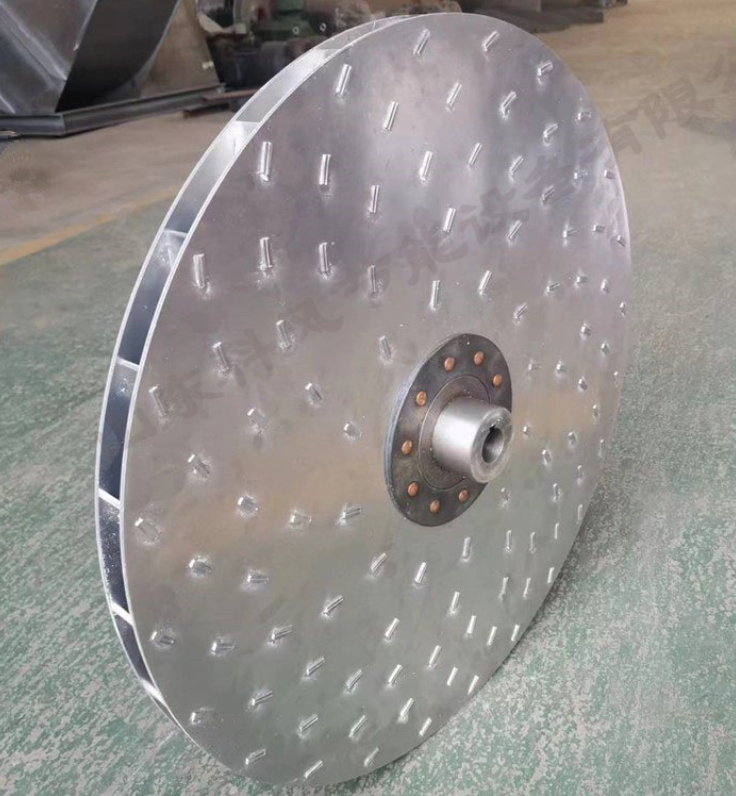
Imagine a component that blends lightweight design, exceptional strength, and unmatched efficiency, transforming industries from automotive to aerospace. Magnesium alloy impellers are redefining engineering standards, offering solutions that balance performance and sustainability. Dive into this article to uncover why these innovative components are capturing global attention and shaping the future of engineering.
What Are Magnesium Alloy Impellers?
Magnesium alloy impellers are critical rotating components used in pumps, turbines, and engines, crafted from magnesium-based alloys. Known for their lightweight properties and high strength-to-weight ratio, these impellers are revolutionizing industries. Curious about what makes them so special? Read on to explore their composition, applications, and why they’re a top choice for engineers.
Magnesium alloys, primarily composed of magnesium combined with elements like aluminum, zinc, or manganese, offer a unique blend of low density and durability. Impellers made from these alloys are designed to rotate at high speeds, efficiently moving fluids or gases in systems like water pumps, turbochargers, or HVAC units. Their lightweight nature reduces energy consumption, making them ideal for applications where efficiency is paramount. Unlike traditional materials like steel or aluminum, magnesium alloys provide a compelling alternative, balancing performance with environmental benefits.
The Science Behind Magnesium Alloys
Ever wondered what gives magnesium alloy impellers their edge? The secret lies in the unique properties of magnesium alloys, which combine low density with impressive mechanical strength. This section delves into the science that makes these impellers a standout choice for high-performance applications across multiple industries.
Magnesium is the lightest structural metal, with a density about two-thirds that of aluminum and one-quarter that of steel. When alloyed with elements like aluminum or zinc, it gains enhanced strength, corrosion resistance, and thermal stability. These properties make magnesium alloys ideal for impellers, which must withstand high rotational speeds and harsh operating conditions. The crystalline structure of magnesium alloys allows for excellent machinability, enabling precise impeller designs that optimize fluid dynamics. This combination of lightweight construction and robust performance is why magnesium alloy impellers are increasingly popular.
Key Benefits Of Magnesium Alloy Impellers
Why are engineers raving about magnesium alloy impellers? From reducing energy costs to enhancing system longevity, these components offer a host of advantages. This section uncovers the top benefits that make magnesium alloy impellers a must-have in modern engineering applications.
Energy Efficiency Gains
The lightweight nature of magnesium alloys reduces the energy needed to rotate impellers, leading to significant fuel or power savings. This is especially valuable in energy-intensive industries like aerospace and automotive, where efficiency drives cost savings.
Enhanced Durability
Magnesium alloys provide a high strength-to-weight ratio, ensuring impellers withstand high rotational stresses. Protective coatings further enhance durability, allowing these components to perform reliably in demanding conditions over extended periods.
Environmental Advantages
By lowering energy consumption, magnesium alloy impellers reduce carbon emissions. Their recyclability aligns with sustainable engineering goals, making them a green choice for industries striving to meet environmental regulations without compromising performance.
Applications Across Industries
From aerospace to automotive, magnesium alloy impellers are making waves in diverse sectors. Their versatility and performance advantages make them indispensable in cutting-edge applications. Discover how these impellers are powering innovation in industries that demand precision and efficiency.
Aerospace Innovations
In aerospace, magnesium alloy impellers are used in turbine engines and cooling systems. Their lightweight design reduces aircraft weight, improving fuel efficiency and performance, making them a favorite in next-generation aircraft designs.
Automotive Performance Boost
Automotive turbochargers benefit from magnesium alloy impellers, which enhance engine efficiency while maintaining fuel economy. Their lightweight properties allow for faster spool-up times, delivering better power output in high-performance vehicles.
Industrial And Marine Uses
Industrial pumps and marine systems leverage magnesium alloy impellers for their corrosion resistance and energy efficiency. From water treatment plants to ship propulsion systems, these impellers ensure reliable operation in challenging environments.
Manufacturing Magnesium Alloy Impellers
How are these high-performance components made? The manufacturing process of magnesium alloy impellers is a fascinating blend of advanced metallurgy and precision engineering. This section explores the techniques that transform raw magnesium into impellers that power cutting-edge machinery.
Die-Casting Techniques
Die-casting is a popular method for producing magnesium alloy impellers due to its ability to create complex shapes with high precision. This process ensures consistent quality and allows for intricate designs that optimize fluid flow.
Forging For Strength
Forging aligns the grain structure of magnesium alloys, enhancing impeller strength and fatigue resistance. This method is ideal for high-stress applications, ensuring impellers can handle extreme rotational speeds without failure.
Additive Manufacturing Trends
Additive manufacturing, or 3D printing, enables customized impeller designs with optimized geometries. This cutting-edge approach reduces material waste and allows for rapid prototyping, pushing the boundaries of impeller performance.
Challenges And Solutions In Using Magnesium Alloys
No material is without its challenges, and magnesium alloys are no exception. From corrosion concerns to manufacturing complexities, this section tackles the hurdles of using magnesium alloy impellers and the innovative solutions that make them viable for widespread use.
Addressing Corrosion Risks
Magnesium’s susceptibility to corrosion is mitigated through advanced coatings like plasma electrolytic oxidation. These treatments create a protective barrier, ensuring impellers perform reliably in humid or saline environments.
Managing Manufacturing Costs
While magnesium alloys can be costlier than aluminum, their lightweight benefits lead to long-term energy savings. Economies of scale and improved production techniques are also reducing costs, making them more accessible.
Safety In Production
Magnesium’s flammability during machining requires specialized equipment and safety protocols. Modern manufacturing facilities use automated systems and inert atmospheres to minimize risks, ensuring safe and efficient production.
Comparing Magnesium Alloy Impellers To Other Materials
How do magnesium alloy impellers stack up against traditional materials like aluminum or steel? This section offers a detailed comparison, highlighting why magnesium often comes out on top for specific applications. Get ready to see how these impellers outperform the competition.
Magnesium Vs. Aluminum
Magnesium impellers are significantly lighter than their aluminum counterparts, offering substantial benefits in applications where reducing weight is critical—such as in aerospace, automotive, and handheld devices. This weight difference translates to lower rotational inertia, quicker response times, and improved energy efficiency. While aluminum excels in corrosion resistance—especially in marine or chemically harsh environments—recent advances in magnesium alloy coatings (like micro-arc oxidation and rare-earth element additions) have dramatically closed the durability gap. Furthermore, magnesium’s superior machinability means faster production and reduced tooling costs, making it an increasingly attractive alternative for lightweight structural components.
Magnesium Vs. Steel
When comparing magnesium to steel, the contrast in density is stark—magnesium is about 75% lighter. This massive weight difference directly influences overall system efficiency. While steel undeniably offers higher tensile strength and better wear resistance, it comes at the cost of increased energy usage, especially in rotating machinery where inertia matters. Steel’s heaviness contributes to greater stress on bearings and more frequent maintenance. Conversely, magnesium impellers—especially those reinforced with ceramic or carbon-based composites—can now achieve strength levels sufficient for medium-load applications, all while cutting down operational costs, noise levels, and part fatigue due to their reduced mass.
Magnesium Vs. Titanium
Titanium is often considered the gold standard for strength, corrosion resistance, and heat tolerance. However, this performance comes at a steep price—both in raw material costs and machining difficulty. Titanium is notoriously challenging to cut and shape, requiring specialized tooling and longer production times. In contrast, magnesium alloys are far more economical and easier to process. While not as strong or corrosion-resistant as titanium, magnesium impellers can be engineered with protective coatings and composite structures to handle many of the same roles—especially in industries where budget constraints are significant but weight remains a top concern. Magnesium’s affordability and efficiency make it a compelling substitute in non-extreme environments.
Future Trends In Magnesium Alloy Impeller Technology
What does the future hold for magnesium alloy impellers? As industries push for greener, more efficient solutions, these components are poised for significant advancements. This section explores emerging trends and innovations that will shape the next generation of impeller technology.
The future of magnesium alloy impellers lies in advancements like nano-alloying, which enhances strength and corrosion resistance at the molecular level. Additive manufacturing is enabling more complex impeller designs, optimizing fluid dynamics for specific applications. Research into sustainable alloy compositions is reducing environmental impact, aligning with global decarbonization goals. Integration with smart sensors for real-time performance monitoring is also on the horizon, promising impellers that adapt to changing conditions, further boosting efficiency and reliability.
Real-World Case Studies
Want proof of magnesium alloy impellers’ impact? This section showcases real-world examples where these components have driven performance and efficiency. From automotive giants to aerospace innovators, see how industry leaders are leveraging magnesium alloys for success.
In the automotive sector, a leading manufacturer integrated magnesium alloy impellers into its turbochargers, achieving a 10% reduction in fuel consumption. In aerospace, a jet engine manufacturer used these impellers to reduce aircraft weight, improving fuel efficiency by 8%. A water treatment facility reported a 15% energy saving by adopting magnesium alloy impellers in its pumps. These case studies demonstrate the tangible benefits of magnesium alloys in real-world applications, inspiring further adoption across industries.
How To Choose The Right Magnesium Alloy Impeller
Selecting the perfect impeller for your application can be daunting. This section provides a practical guide to choosing magnesium alloy impellers, ensuring you make informed decisions that optimize performance and cost.
Understand The Application Requirements
The first and most important step is to identify the operational environment. Will the impeller be exposed to high temperatures, corrosive chemicals, saltwater, or high-speed rotations? For example:
- Marine environments demand enhanced corrosion resistance, favoring coated magnesium alloys or hybrid composite options.
- Aerospace or automotive applications prioritize low weight and thermal stability.
- Pumping applications require consistent performance under continuous stress and wear
Evaluate Alloy Composition
Choosing the right composition depends on the balance between required mechanical properties and environmental resistance.
- AZ91 – Excellent castability and general corrosion resistance. Good for structural components.
- AM60/AM50 – Higher ductility and impact resistance, used in automotive parts.
- WE43 – Contains rare-earth elements, offering excellent strength and corrosion resistance, especially for aerospace and military applications.
Assessing Operating Conditions
Consider the environment where the impeller will operate. For corrosive settings, choose impellers with advanced coatings. High-speed applications require alloys with enhanced fatigue resistance for durability.
Matching Design To Application
Work with manufacturers to select impeller designs that optimize fluid dynamics for your specific system. Customized geometries can enhance performance, ensuring efficiency and reliability in operation.
Balancing Cost And Benefits
Evaluate the initial cost of magnesium alloy impellers against long-term energy savings. Their lightweight benefits often justify higher upfront costs, especially in energy-intensive applications.
Maintenance And Care For Magnesium Alloy Impellers
How do you ensure your magnesium alloy impellers last? Proper maintenance is key to maximizing their lifespan and performance. This section offers expert tips to keep your impellers running smoothly, saving you time and money.
Regular Inspection Practices
Inspect impellers for wear, corrosion, or debris buildup regularly. Early detection of issues prevents costly failures and ensures consistent performance in demanding applications.
Cleaning And Protection
Use non-abrasive cleaning solutions to preserve protective coatings. Periodic surface treatments, like re-anodizing, can enhance corrosion resistance, extending impeller lifespan in harsh environments.
Storage Guidelines
Store magnesium alloy impellers in dry, controlled environments to prevent corrosion. Proper storage maintains their integrity, ensuring they’re ready for use when needed.
Conclusion
Magnesium alloy impellers are more than just components—they’re a testament to engineering innovation, blending lightweight design, strength, and sustainability. From reducing energy costs to powering cutting-edge applications, they’re transforming industries worldwide. With advancements like nano-alloying and smart designs, their role will only grow. Whether you’re an engineer, manufacturer, or enthusiast, magnesium alloy impellers offer a glimpse into a future where efficiency and environmental responsibility go hand in hand. Ready to explore their potential? The journey starts here.


